Diagnose peeling, bubbling, and melting HTV fast. Get the temperature, pressure, and prep fixes that make iron-on vinyl actually stay put.
Maker Vinyl
Updated October 18, 2026
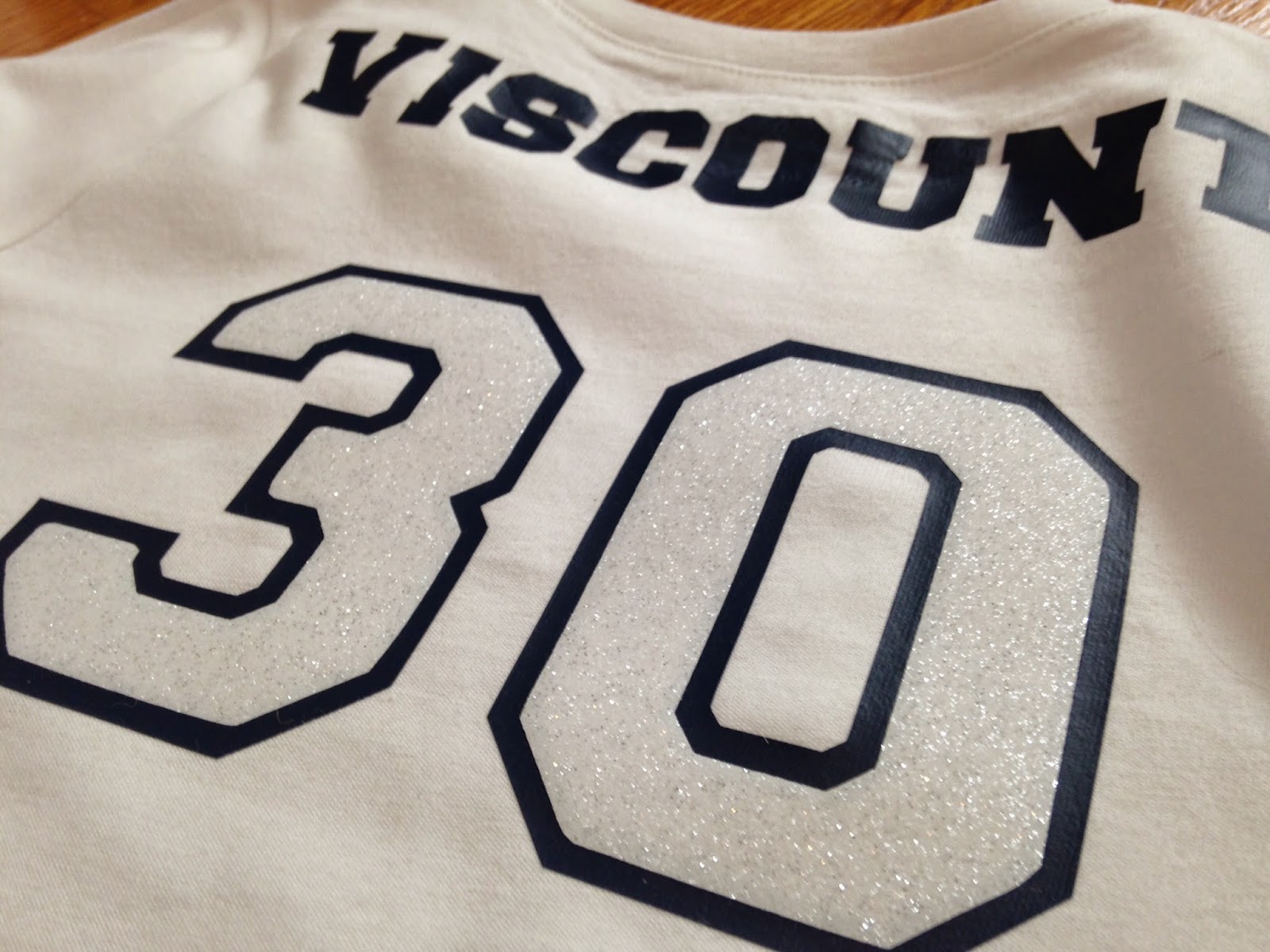
Why White HTV Turns Pink on Polyester Jerseys
White HTV that looks perfect at press time can turn pink later on polyester jerseys due to dye migration, not adhesion failure. Learn how to confirm the cause, pick dye-blocking HTV, and press at safer temperatures with test swatches.

Harper Davis
Harper Davis is a lifelong DIY enthusiast and cutting-machine expert who loves helping beginners conquer Cricut Design Space. With over six years of experience running a custom vinyl shop, she shares practical tutorials, material guides, and creative inspiration.
If you have ever peeled a white HTV design off your polyester jersey looking crisp and bright, only to come back later and find it turning pink, you are not alone. And the key detail matters here: the HTV is stuck. This is not an adhesion problem. It is a color contamination problem, most often caused by dye migration.
Let’s walk through what is happening, how to prove it (before you waste a whole jersey), and which materials and press habits actually stop the pink creep.
First, confirm the problem
When a customer tells me “my white HTV turned pink,” my first question is: Did it peel up or crack? Because those are two totally different fixes.
Signs it is dye migration (common on jerseys)
- The vinyl stays bonded and feels normal, but the color changes over time.
- The pink tint often shows up hours to days later, especially after the garment warms up again (in a car, under stadium lights, in a dryer, etc.).
- The tint is usually strongest where the garment is darkest or where the press heat soaked in the most.
- You may see the white shift to pink, gray, tan, or a muddy off-white.
Signs it is adhesion failure (different fix)
- Edges lift, corners curl, or the design peels off.
- You can see poor bonding around textured jersey knit or seams.
- It fails quickly with washing or stretching.
If your design is adhered well but the color is changing, keep reading. You are troubleshooting chemistry, not stickiness.
Why white HTV turns pink on polyester
Many polyester jerseys are dyed using disperse dyes. When polyester is heated long enough at press temperatures, those dyes can become mobile and re-sublimate (shift into a vapor phase), then re-deposit into nearby materials. Pressure is not what makes dye sublimate, heat and time are the big drivers. Pressure mainly increases contact, which can make it easier for that dye to transfer.
And white HTV is basically the perfect “dye sponge” because the dye can migrate into the vinyl and adhesive layer, where it becomes part of the film instead of sitting on the surface.
Why it looks fine at first
Dye migration is sneaky because it can be delayed. The dye can begin migrating during pressing, but you do not always see the tint right away. It can continue when the garment warms up again later, or as everything cools and settles.
Why jerseys are extra risky
- High polyester content (often 90 to 100 percent).
- Heavily dyed colors like red, maroon, navy, royal, and black.
- Athletic finishes like moisture-wicking treatments that can react differently under heat.
- Sublimated jerseys (where the design is dyed into the fabric) can still release dye vapor when reheated.
- Performance blends like poly-spandex can still migrate. Even some cotton-poly blends can surprise you if the polyester portion is heavily dyed.
Quick tests before you ruin a jersey
Test swatches are cheaper than jerseys. If you do not have extra fabric, test inside the hem or on a hidden seam allowance.
Test 1: The time reveal swatch
- Cut a small square of your white HTV.
- Press it onto a scrap of the jersey fabric using your normal settings.
- Let it sit 24 to 48 hours at room temperature.
- Check again, then warm it gently with a quick 5 second press (or leave it somewhere warm) and re-check.
If the pink shows up later, you have confirmed migration.
Test 2: The barrier-sheet check
- Pre-press the jersey for 3 to 5 seconds.
- Look at your barrier sheet after the pre-press.
- If you see color transfer, that is a strong warning sign the dye is ready to move.
Important: this is not definitive. Some fabrics leave behind finishes or residues that look like “transfer,” and some high-risk jerseys show nothing on the sheet but still migrate later. Treat it as a clue, not a verdict.
Test 3: Regular white vs. dye-block HTV
Press two small white squares: one regular and one dye-block (more on that below). If the regular square blushes and the blocker stays clean after 24 to 48 hours, you have your answer and your solution.
The fix: anti-migration HTV
If you want white on a dark polyester jersey, the most reliable solution is choosing an HTV designed to resist dye migration. These products are commonly labeled:
- Dye blocking
- Anti-migration
- Subli-block or sublimation blocker
They work by adding a barrier layer (often thicker and more opaque) that helps prevent dye from traveling into the white layer.
What to expect
- Thicker feel than everyday HTV, especially on lightweight jerseys.
- Different finish, sometimes more matte.
- Different cut and weed behavior, so do a small cut test.
- Different press settings, which you must follow for that exact product.
If you have ever wondered why “sport” HTV exists, this is one of the big reasons. Athletic poly is its own beast.
Temp ranges and safer pressing
Heat is what wakes the dye up. In general, lower press temperatures reduce migration risk. But you still need enough heat for the adhesive to activate properly, and some dye blockers require a specific range to work as intended.
Useful ballparks (not promises)
Many everyday HTVs press in the 300 to 320°F range. Many anti-migration options are designed to work around 280 to 310°F, depending on the brand. Always verify with the product sheet for the exact vinyl you are using, because time, pressure, and peel method matter too.
Better strategy than “just press colder”
- Use an HTV rated for lower-temp application if your jersey is prone to bleeding.
- Use the manufacturer’s time and temp for that exact HTV, then fine-tune with small test swatches.
- Increase pressure slightly rather than cranking temperature, if your HTV allows it.
- Shorten dwell time if you can still get full adhesion. Less time at peak heat means less dye movement.
One note from the trenches: if the jersey dye is extremely unstable, lowering temp alone may not fully solve it. That is when dye-block HTV earns its keep.
Pressing steps that help
Use the product instructions as your baseline, then layer in these habits. They will not fix every case on their own, but they stack the odds in your favor.
1) Pre-press briefly
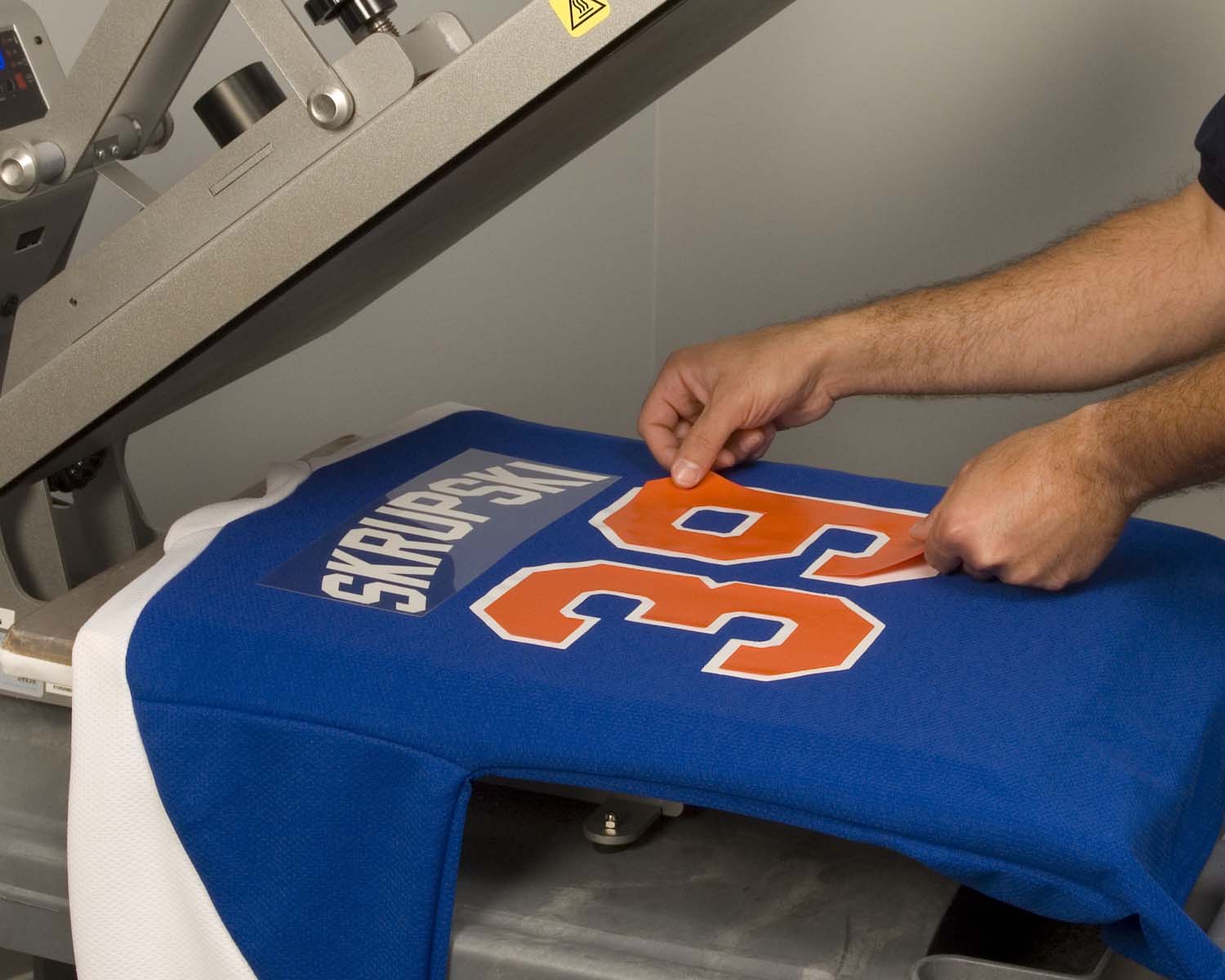
Do a short pre-press (often 3 to 5 seconds) to flatten fibers and remove a bit of moisture. Then let the fabric cool for a few seconds before applying HTV. Over-pre-pressing can heat-soak the garment and start dye movement before the vinyl even goes on.
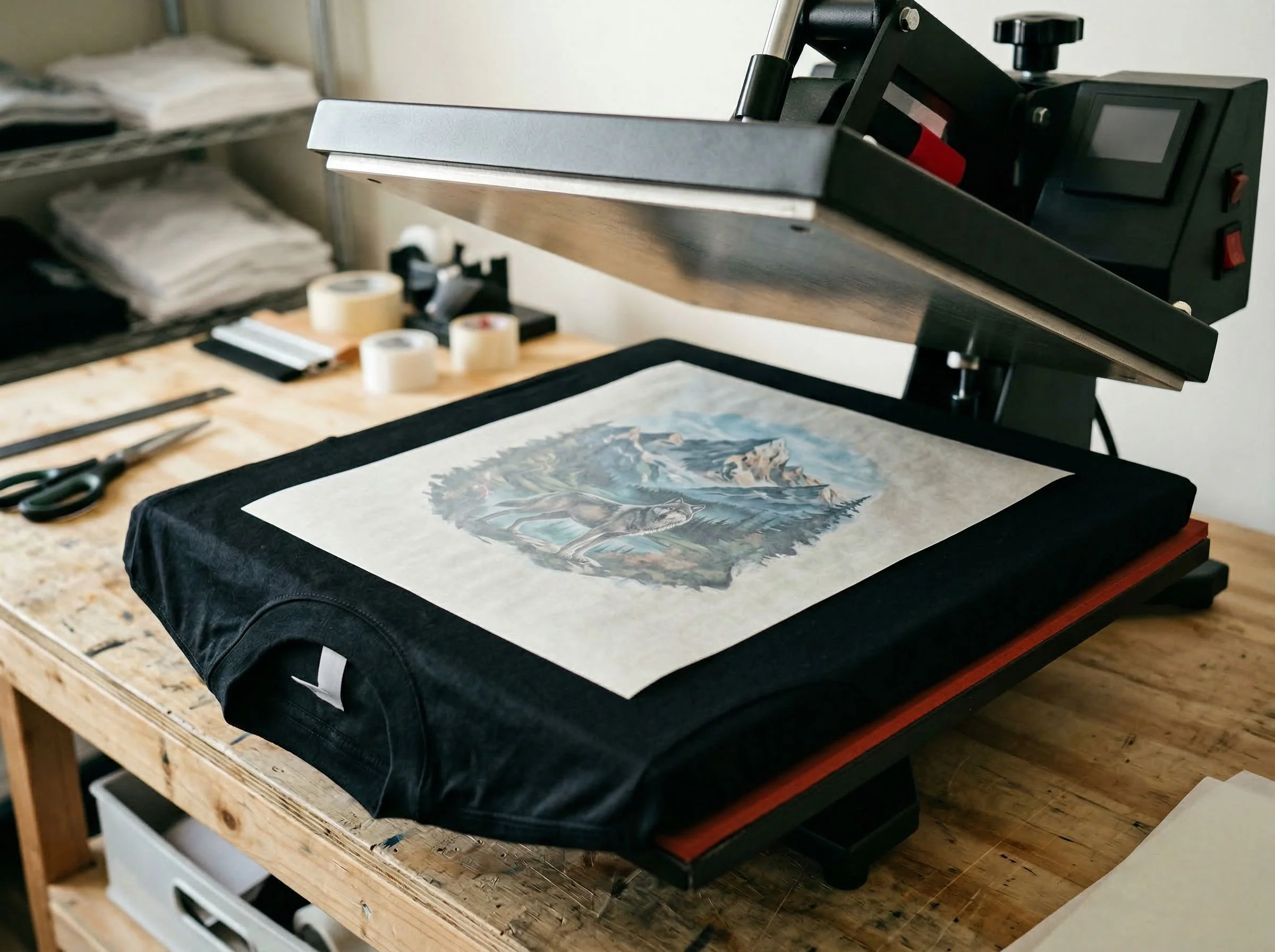
2) Use a clean barrier sheet
Always put a barrier sheet between your platen and the garment, and use one on top of your transfer if your HTV brand recommends it. Shops commonly use kraft or butcher paper, parchment paper, or a Teflon sheet. The point is clean separation. Change your sheet when it shows discoloration or adhesive residue.
3) Avoid overheating on second presses
A lot of migration happens because we press, peel, then do a “quick extra press” that turns into another full bake. If your HTV calls for a second press, keep it exactly as directed. If it does not, keep any finishing press very short.
4) Cool before you judge
Some whites look slightly warm right after pressing because everything is hot. Let it cool, then check under neutral light. If it is truly pinking, it will be easier to spot after cooling.
5) Do not confuse migration with scorch
Migration usually shows as a dye tint (pink, gray, tan) that can intensify over time. Scorch or press marks look more like heat damage: a shiny patch on the fabric, a dulled spot, or a faint yellowing that appears immediately. If you are seeing shine or platen outlines, you may need lower heat, less pressure, or a different cover sheet, even if migration is also in play.
If it turns pink after washing
That can still be migration. Warm water, a hot dryer, or even sitting damp in a laundry basket can reintroduce heat and encourage dye movement.
What to do
- Wash cold the first few times.
- Use low heat or hang dry, especially for dark poly jerseys with white decoration.
- Wait the HTV’s recommended cure time before the first wash. Many products suggest 24 to 48 hours, but check your specific product sheet.
If you sell finished jerseys, include care instructions with every order. It reduces headaches for everyone.
If it is already pink, can you fix it?
I want to be honest here: once dye has migrated into a white HTV layer, it usually cannot be removed cleanly.
You will see hacks online involving solvents and cleaners. In real life, those methods can smear the dye further, weaken the adhesive, or damage the polyester. Most of the time, they are not worth the risk.
Your best options
- Replace the HTV with a dye-blocking product. You may be able to remove the existing HTV first, but polyester can be sensitive, so test carefully.
- Change the design approach: use an off-white, silver, heathered white, or a light gray that hides a hint of migration better than bright white.
- Add an outline or shadow layer using a blocker as the base, then your white on top, if your materials support layering. Test first because layering increases heat exposure.
Other options for high-risk jerseys
Some jerseys are just determined to misbehave. If you are decorating for a team order or selling these, it can be smart to switch methods instead of fighting the chemistry.
- Screen printing with low-bleed ink (or transfers made with low-bleed systems) is a classic solution for polyester.
- Twill or stitched appliqué keeps a physical layer between the dye and the “white.”
- Printable media made for polyester (including certain laser or eco-solvent options) can work, depending on your equipment and garment use case.
- Sublimation onto white polyester, then apply as a patch or layer, is another workaround for certain looks.
No-waste checklist
- Check the garment content. If it is mostly polyester, assume migration risk.
- Pick your vinyl accordingly. For dark poly jerseys, start with anti-migration or dye-block HTV.
- Do a test swatch, then wait 24 to 48 hours.
- Follow material-specific press instructions for that HTV, then fine-tune in tiny increments.
- Keep press time tight and avoid unnecessary second presses.
- Send simple care instructions with the finished garment.
If you want a single takeaway: white HTV turning pink on polyester is almost always dye migration, and the fix is a blocker plus a smart, lower-heat process proven with test swatches.
FAQ
Does polyester bleed into HTV if it is not sublimation fabric?
Yes. Dye migration is not limited to blanks marketed for sublimation. Many dyed polyester fabrics can release dye under heat.
Why is it usually pink?
Because common jersey colors are reds and maroons, and those dyes show up as pink when they tint white. Navy and black can shift white toward gray or dingy beige.
Can I prevent migration by pressing longer at a lower temperature?
Sometimes, but not always. Longer time can still allow dye to move. The most reliable approach is using a dye-block HTV and then dialing in the lowest effective time and temperature for full adhesion.
Will adding more pressure help?
Pressure helps adhesion, but it does not stop dye from becoming mobile under heat. It can be part of a lower-temp strategy, but it is not a replacement for a dye blocker on risky jerseys.