Learn how to design, cut, weed, and press iron-on vinyl (HTV) onto a cotton shirt using Cricut Design Space, plus my best beginner tips for clean, long-lasti...
Maker Vinyl
Updated October 17, 2026
Best T-Shirt Blends for Long-Lasting HTV
Pick the right shirt blank for heat transfer vinyl. Learn how cotton, polyester, and tri-blends handle heat so your HTV stays smooth, stuck down, and wearable wash after wash.

Harper Davis
Harper Davis is a lifelong DIY enthusiast and cutting-machine expert who loves helping beginners conquer Cricut Design Space. With over six years of experience running a custom vinyl shop, she shares practical tutorials, material guides, and creative inspiration.
If you have ever pressed a gorgeous HTV design, peeled the carrier, and thought, okay, we did it, only to watch it wrinkle, lift at the edges, or feel crunchy after one wash, I promise you are not alone. In my vinyl shop days, most “mystery peeling” came down to one thing: the shirt fabric was fighting the vinyl.
The good news is you do not need fancy blanks. You just need the right blend for the HTV you are using and a press routine that matches the fabric’s personality. That usually means lower temps for poly and stretch HTV for stretchy shirts.
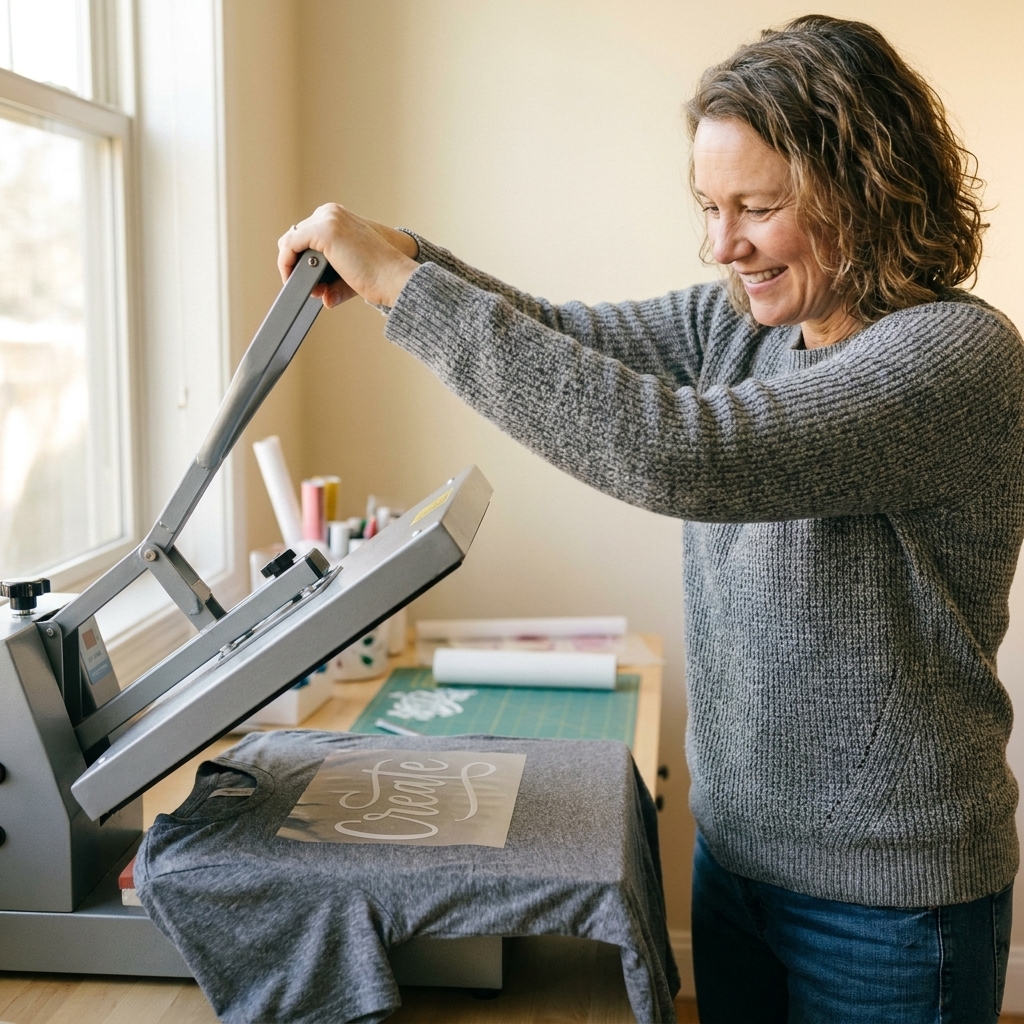
How fabric affects HTV durability
HTV sticks when heat activates the adhesive so it softens, flows, and bonds into and around the shirt fibers. How well that bond holds depends on four big factors:
- Heat tolerance: Some fabrics can take higher temps without scorching or warping.
- Surface texture: Smooth, stable knits give HTV more consistent contact.
- Stretch and recovery: Shirts that stretch a lot need HTV that can stretch with them, or it can crack.
- Dye behavior: Some dyes can migrate or bleed into vinyl over time, especially on polyester.
So when people ask, “What is the best t-shirt material for iron-on vinyl?” my honest answer is: the best material is the one that matches your vinyl and your design use.
100% cotton: the easiest option
If you are a beginner or you want the highest success rate with everyday HTV, 100% cotton is the friendliest fabric. Cotton fibers accept HTV adhesive beautifully, and you can usually press at standard settings without drama.
Why cotton is great for HTV
- Strong bond: Adhesive grabs cotton fibers well.
- Less dye migration risk: Especially compared to polyester.
- Predictable pressing: Many brands’ default HTV settings are built around cotton or cotton blends.
Watch-outs with cotton
- Shrinkage: Cotton can shrink a bit after the first wash. Pre-washing is optional, but if you are making fitted items or selling shirts, it can help. If you pre-wash, skip fabric softener.
- Texture differences: Combed ring-spun cotton is smoother than cheap open-end cotton. Smoother shirts generally give smoother results.
My pick for long-lasting HTV: A smooth, midweight ring-spun cotton tee for everyday designs, team shirts, and bold decals.
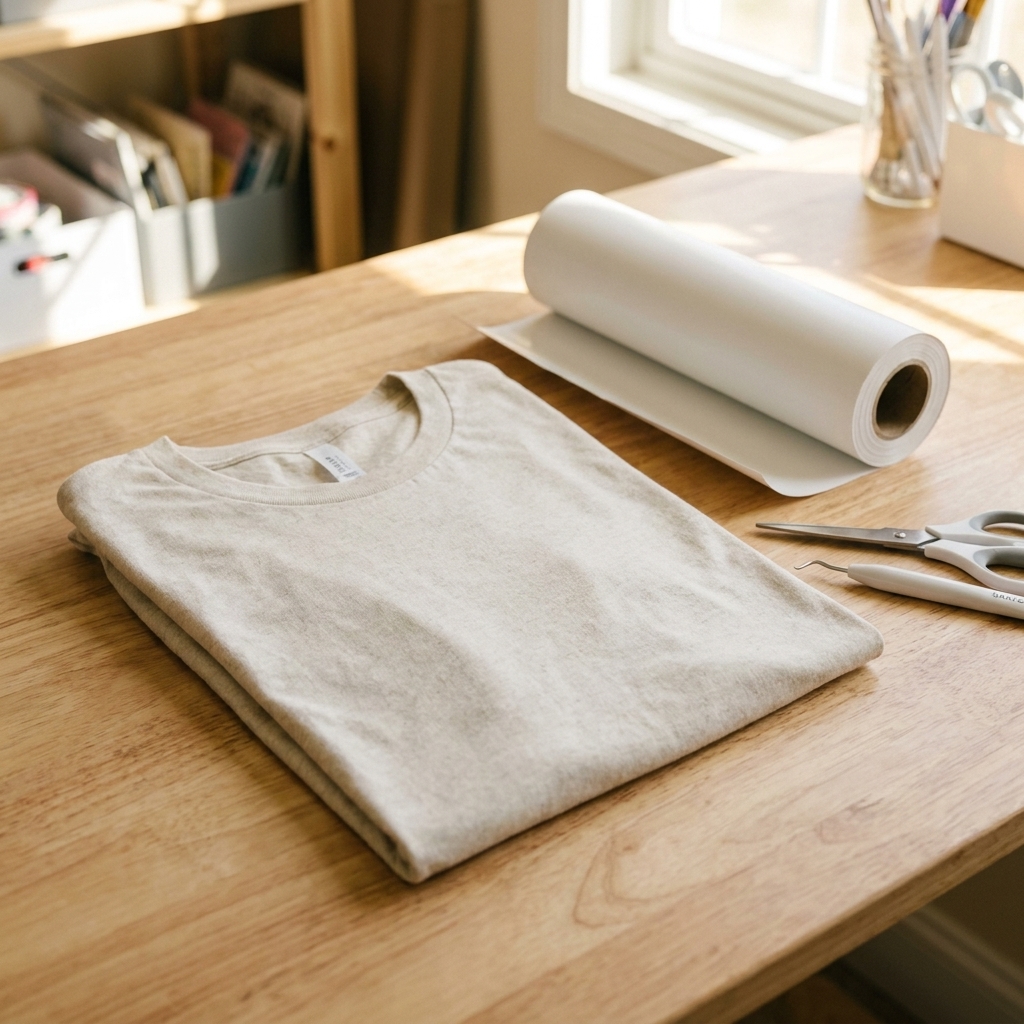
Cotton-poly blends: the sweet spot
If you like shirts that feel soft, resist wrinkles, and hold their shape, you are probably already living in 50/50 cotton-poly or 60/40 cotton-poly tees. For HTV, these blends are often the sweet spot: they press well like cotton, but wear like poly.
Why blends can outlast pure cotton
- Less shrinkage: The polyester helps stabilize the shirt, so your design sees less stress from fabric shrinking.
- Great for active families: These tees usually handle repeated washing and drying better.
- Still presses easily: Most everyday HTV works well on cotton-poly blends.
Watch-outs with cotton-poly blends
- Lower heat needs sometimes: Depending on the knit, some blends can scorch or get press shine if you go too hot or press too long.
- Stretch factor: Many blends stretch more than 100% cotton. Use a stretch HTV if the shirt is very stretchy or fitted.
My pick for long-lasting HTV: 60/40 cotton-poly for soft retail feel, or 50/50 for durability and budget-friendly bulk orders.
100% polyester: durable, picky pressing
Polyester shirts can be absolute workhorses, especially for sports, uniforms, and performance wear. But they are also where crafters run into the most frustration with HTV if they are not ready for polyester’s two quirks: heat sensitivity and dye migration.
What polyester does well
- Minimal shrinkage: Great for maintaining design shape over time.
- Lightweight performance feel: Perfect for athletic logos and team numbers.
The two big polyester problems
- Scorching and press marks: Poly can get shiny or permanently marked under too much heat or pressure. A pressing pillow plus a protective cover sheet can help a lot.
- Dye migration: Some polyester dyes can move into your HTV after pressing or over time, especially on reds, maroons, and dark colors. This can turn white HTV pinkish or give light colors a “haze.”
Best practice: Use HTV that is rated for polyester and look for low-temp or blocker options if you are working with dark poly. And always test a small piece first if the shirt is a deep, saturated color.
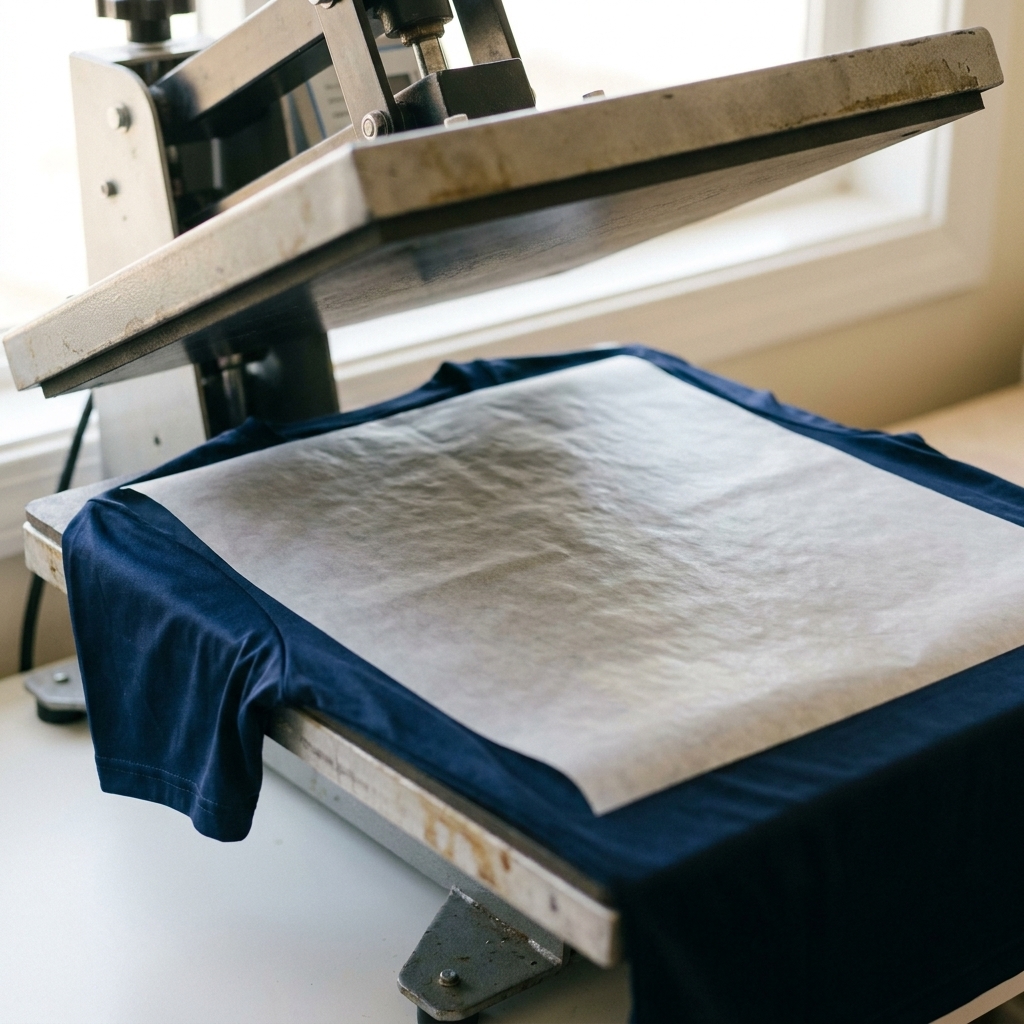
Tri-blends: soft and a little fussy
Tri-blend shirts typically mix cotton + polyester + rayon. They are drapey, soft, and give that boutique heather look everyone loves. They also tend to be thinner and stretchier, which means your HTV choice matters.
Why tri-blends can be tricky
- More stretch: Standard HTV can crack on very stretchy tri-blends, especially large designs across the chest.
- Heat sensitivity: Rayon blends can get press shine or slight warping if overheated.
- Heathers can hide loft: Heathering itself is not the problem. Many tri-blends are simply softer, stretchier knits with a little more loft, so you need good pressure and the right vinyl.
How to get tri-blends to last
- Choose a stretchy HTV for bigger designs or fitted shirts.
- Use the lowest temp that still adheres well (based on your vinyl brand’s instructions).
- Press with a cover sheet to reduce shine and protect the fabric.
My pick for long-lasting HTV: Tri-blends are fantastic for small to medium designs and left-chest logos. For full-front designs, I switch to stretch HTV and keep my press time tight.
Cheat sheet: best blends by project
If you want the “tell me what to buy” version, here is what I reach for most often.
- Everyday graphic tee: 100% ring-spun cotton or 60/40 cotton-poly
- Kids shirts that get washed constantly: 50/50 cotton-poly
- Gym or team shirts: Polyester performance fabric plus poly-rated HTV
- Soft boutique style: Tri-blend with stretch HTV (especially for large designs)
- Layered HTV designs: Cotton or cotton-poly to reduce shifting and overheating
Why HTV peels or wrinkles
If your blanks are solid and you are still seeing lifting edges or a wrinkly finish, one of these is usually the culprit:
Not enough pressure
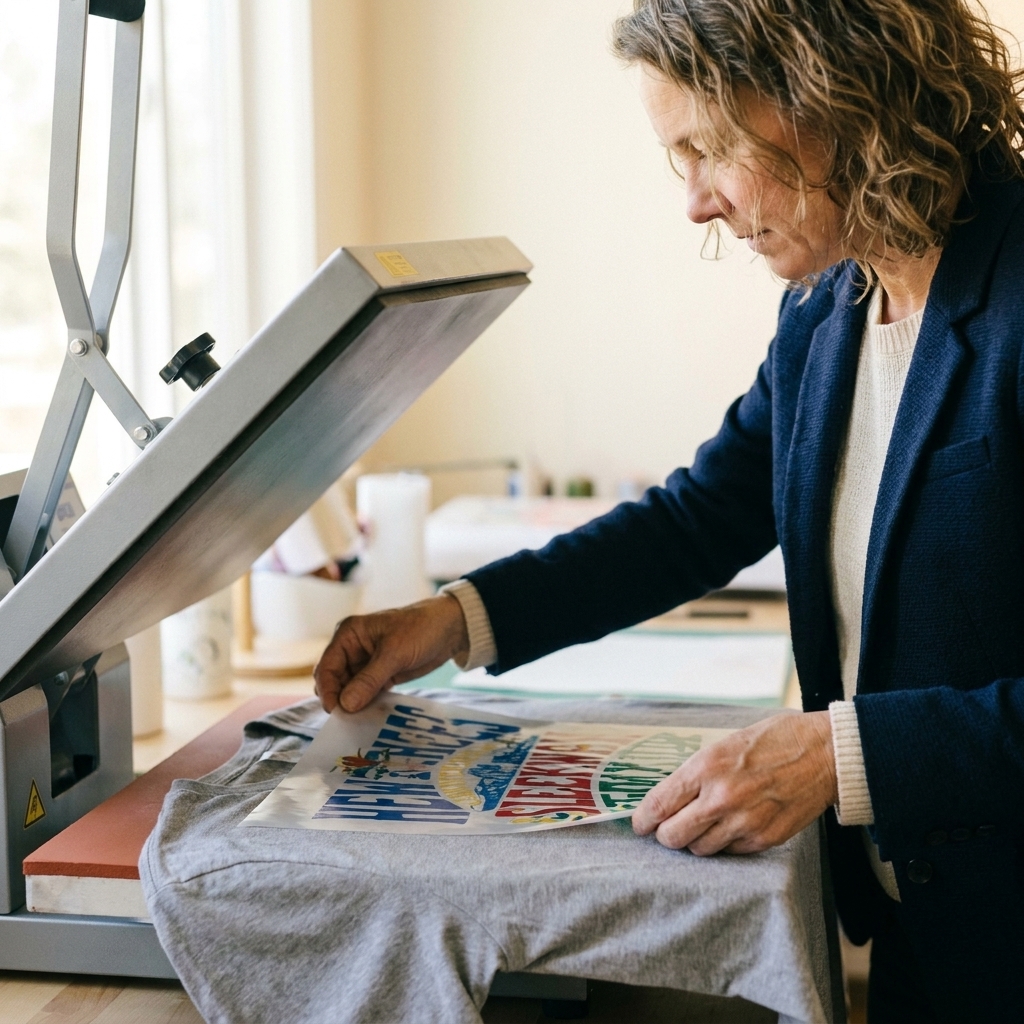
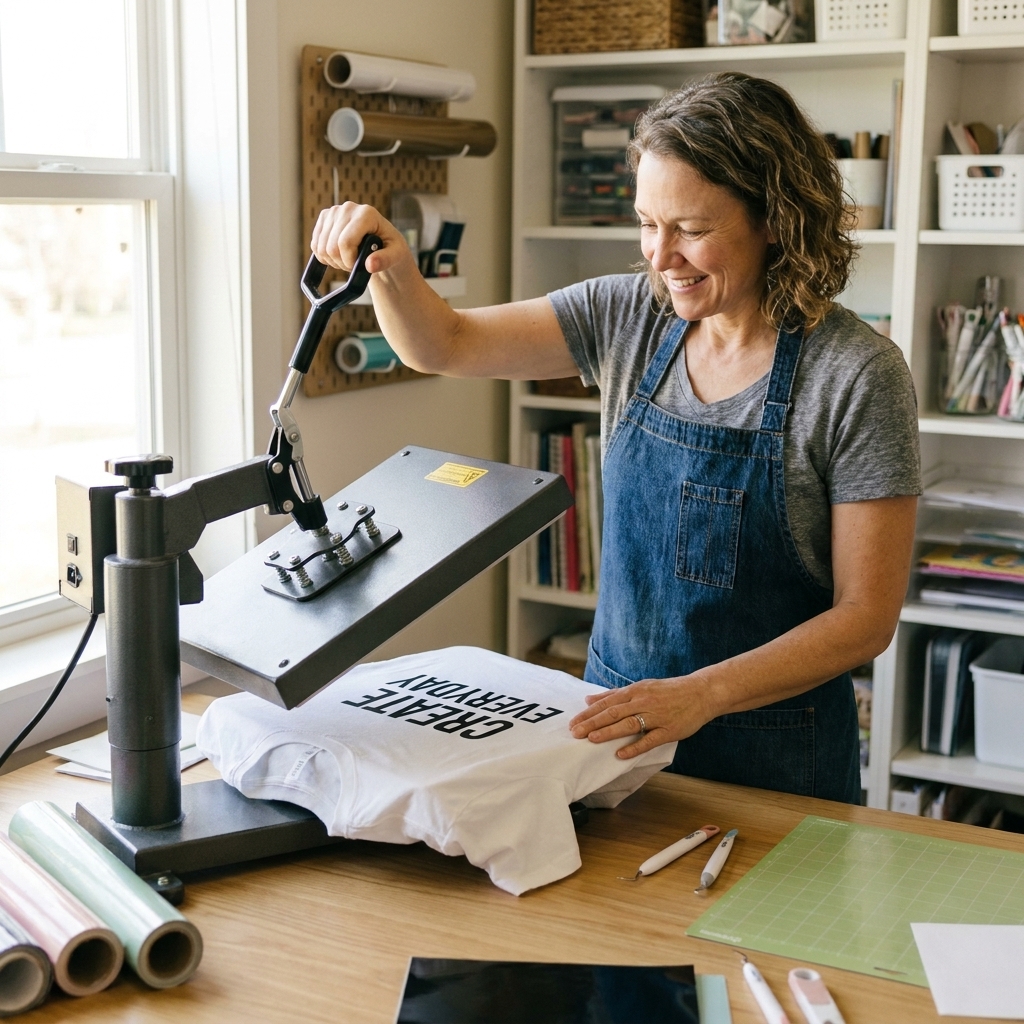
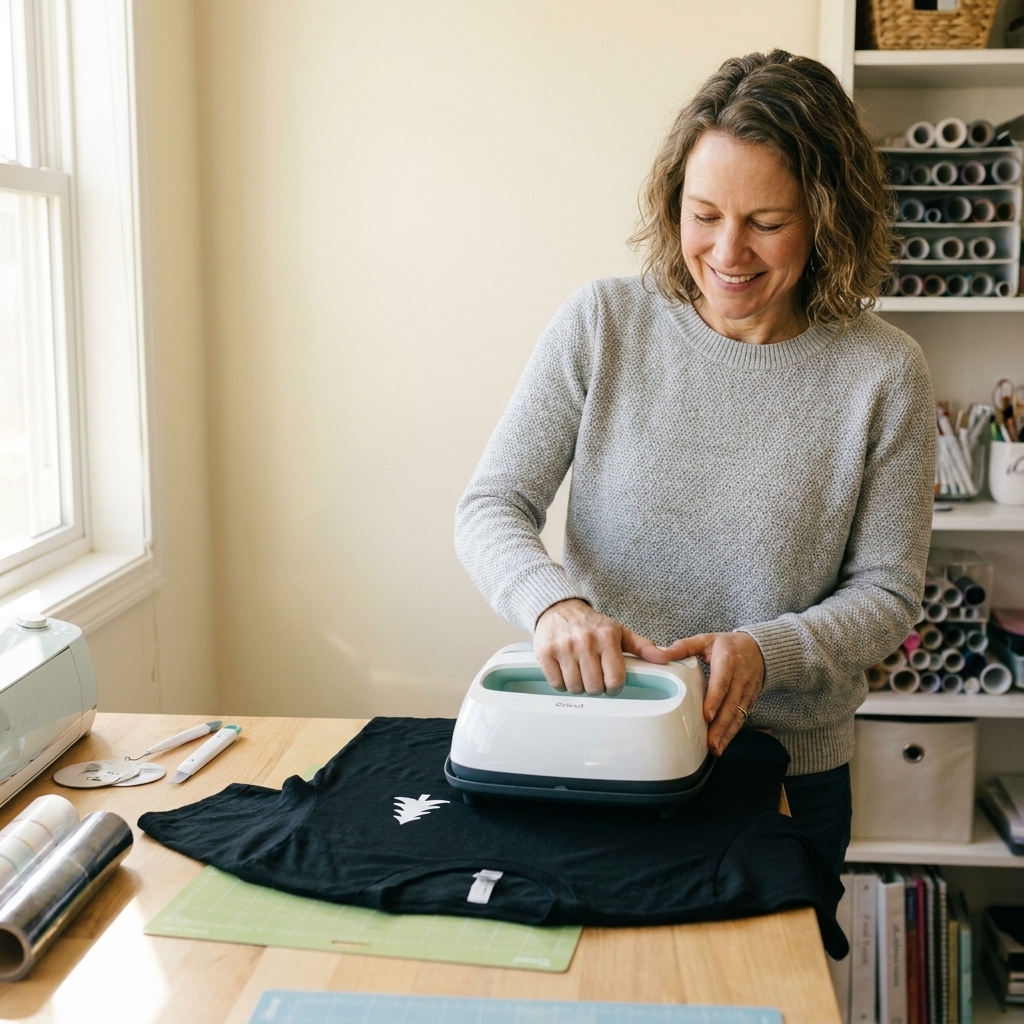
Most HTV needs firm, even pressure. Iron-on with a household iron can work, but pressure is harder to control. If you are using a Cricut EasyPress or heat press, make sure your shirt is on a firm surface and you are not pressing over seams, collars, or thick hems.
Too much heat, time, or pressure
Over-pressing can create ripples, especially on thinner tri-blends and polyester. Too much pressure can also leave press marks on poly. Follow your vinyl’s settings and avoid “just in case” extra time.
Moisture in the fabric
Shirts hold moisture, even when they feel dry. A 2 to 5 second pre-press helps flatten the fibers and drives out moisture so the adhesive bonds better.
Stretching the shirt during pressing
If you pull the shirt tight, press, then let go, you can get puckering. Smooth the shirt flat, but do not over-stretch it.
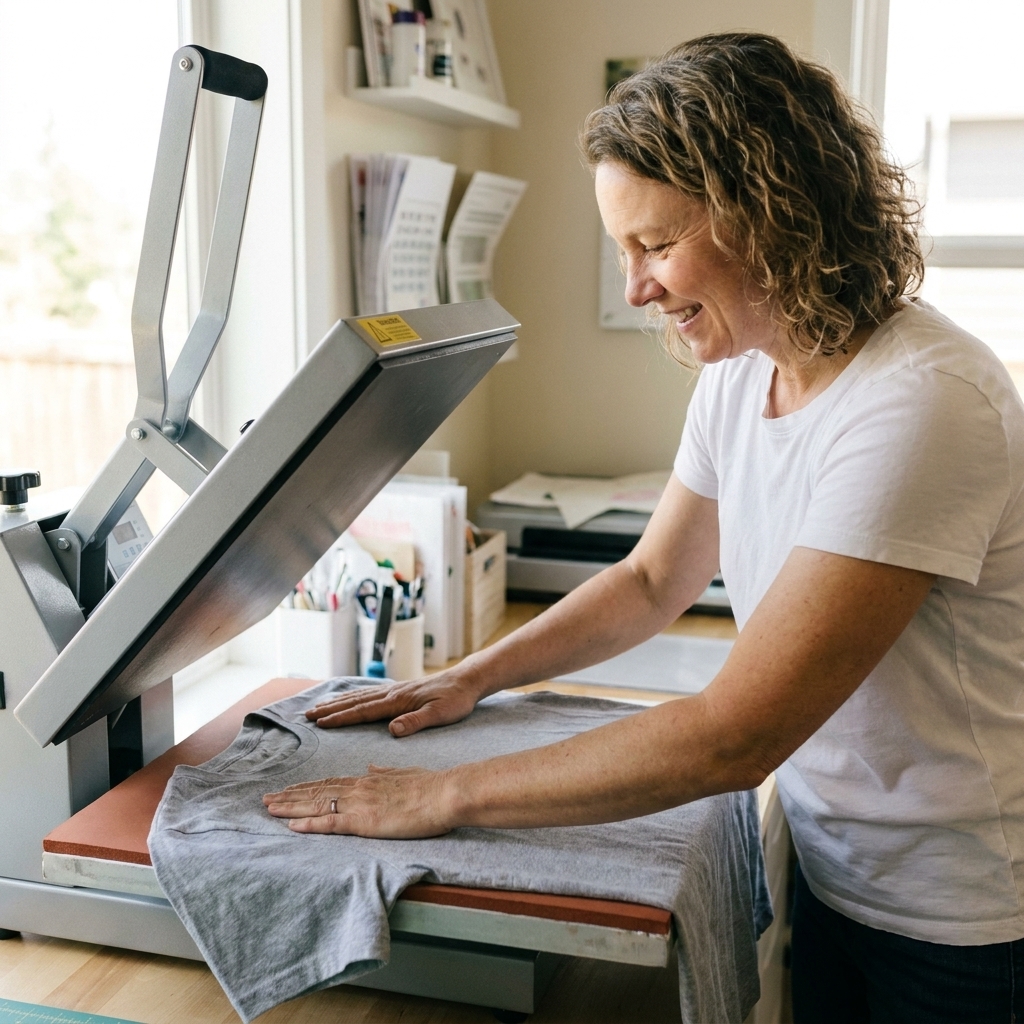
My pressing routine
This is my “shop habit” routine that saves vinyl, shirts, and sanity.
- Lint roll the area. Especially on cotton. Little fibers can prevent full contact.
- Pre-press 2 to 5 seconds. Flatten and dry the fabric.
- Use a pressing pillow if needed. Great for seams, pockets, and youth sizes.
- Use the right cover sheet. Use a protective sheet recommended by your brand (common options include a cover sheet, butcher paper, or parchment). Make sure it can handle your temperature.
- Press with the correct temp and pressure. Follow your HTV brand’s specs. Manufacturer instructions beat general advice, especially for specialty vinyl.
- Warm peel vs cool peel matters. Peel when the vinyl says to peel. If you peel too early on a cool-peel vinyl, edges love to lift.
- Post-press if your brand recommends it. Many HTVs like a short post-press with the carrier off and a cover sheet on top.
And my biggest longevity tip: follow your vinyl’s wash-wait guidance. Many brands recommend waiting about 24 hours before washing (some suggest longer), and it really can help the bond fully settle.
Wash and care tips
Pressing is only half the battle. If you want your design to stay smooth and stuck down, the first few washes matter.
- Wait before washing: Follow your HTV brand’s guidance.
- Wash inside out: Less abrasion on the vinyl.
- Cold to warm water: Hot water speeds up wear and can stress adhesives.
- Skip harsh chemicals: Avoid bleach directly on the design and go easy on stain treatments over vinyl.
- Lower heat drying helps: High heat is rough on both vinyl and polyester dyes. Air dry or low heat when you can.
Choosing shirts that press well
When you are shopping blanks, look for these “green flags”:
- Smooth face fabric: A smoother knit gives you smoother vinyl edges.
- Consistent thickness: Super thin fashion tees can be harder to press without rippling.
- Minimal texture: Slub knits and heavily textured shirts can cause incomplete adhesion in tiny areas.
- Color stability: For polyester, be cautious with deep reds and dark neons unless you have poly-safe HTV options.
If you are ordering online, read the fabric content and then check for words like ring-spun, combed, and pre-shrunk. Those usually mean fewer surprises after washing.
FAQ
What is the best fabric for Cricut iron-on to last?
Ring-spun 100% cotton and cotton-poly blends (50/50 or 60/40) are the most reliable for long-lasting HTV with standard settings. If you use polyester, choose HTV made for polyester and consider dye-blocking options for dark colors.
Does HTV last longer on cotton or polyester?
HTV bonds very reliably to cotton, so it is often the easiest path to longevity. Polyester can last a long time too, but only if you avoid overheating and prevent dye migration with the right vinyl.
Will HTV crack on tri-blend shirts?
It can, especially with large designs on stretchy tri-blends. Using stretch HTV, keeping proper pressure, and not overheating the fabric helps a lot.
Why is my HTV wrinkling after pressing?
Common causes are too much heat or time, uneven pressure, pressing on a soft surface, or stretching the shirt while pressing. Thin tri-blends and some polyester tees show wrinkles more easily.
Can I use regular Everyday Iron-On on a polyester shirt?
Sometimes yes, but it is not my favorite combo for dark poly. If it is a performance tee or a saturated color, I would switch to a vinyl that is labeled for polyester and use lower-temp settings when possible.
The bottom line
If you want HTV that stays put through real life, start with the blank. For most crafters, 100% ring-spun cotton or a cotton-poly blend is the easiest path to smooth pressing and long-term durability. Save 100% polyester and super-stretchy tri-blends for when you are ready to match the shirt with the right vinyl and a slightly more careful press.
If you tell me what shirt you bought (fabric content plus color) and what HTV you are using, I can help you pick the best settings and troubleshoot any peeling before you waste another inch of vinyl.