A beginner-friendly guide to removable, permanent, and iron-on vinyl for Cricut. Learn which vinyl to choose, how to apply it, and how to avoid common mistakes.
Maker Vinyl
Published
Removable vs. Permanent Vinyl
Confused about removable vs. permanent adhesive vinyl? Learn durability, repositioning, residue, best uses, cure time, and label-reading tips so you cut the right one.

Harper Davis
Harper Davis is a lifelong DIY enthusiast and cutting-machine expert who loves helping beginners conquer Cricut Design Space. With over six years of experience running a custom vinyl shop, she shares practical tutorials, material guides, and creative inspiration.
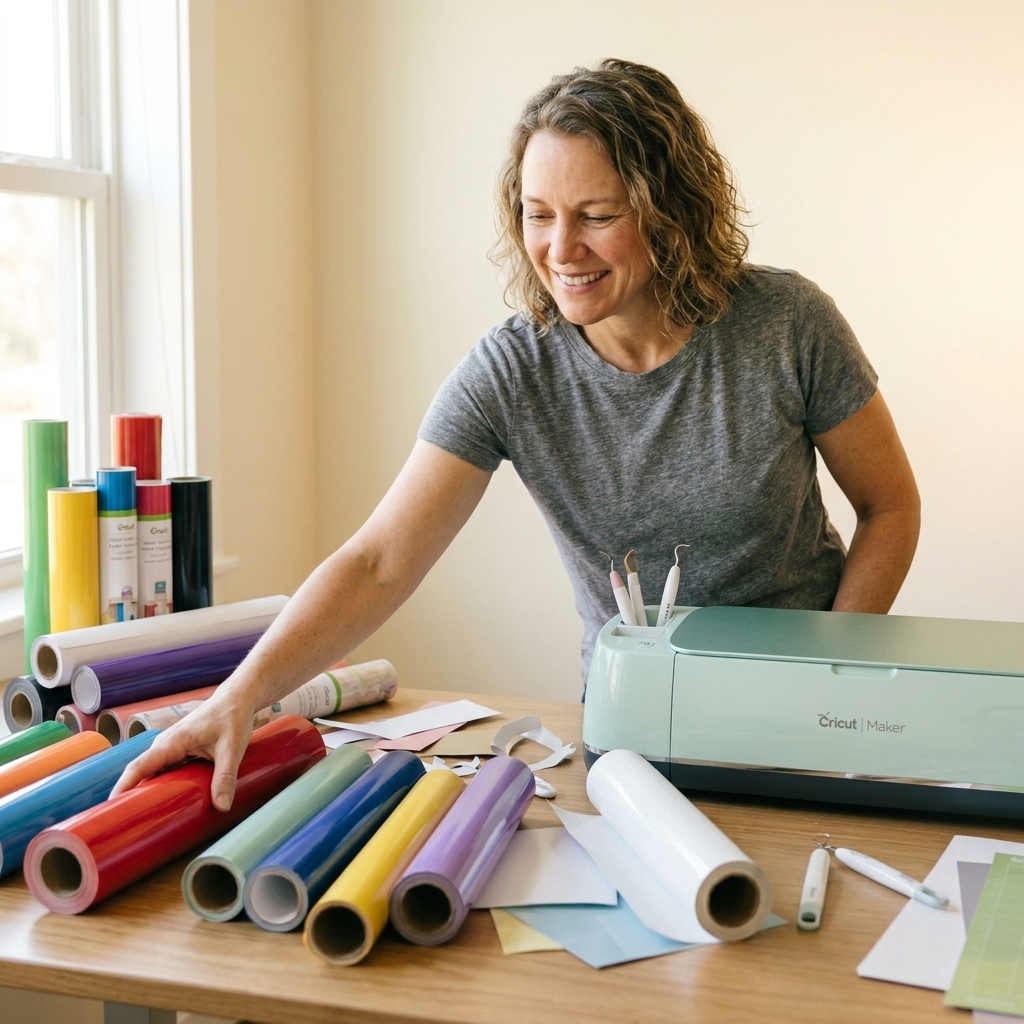
I got into vinyl because I was stubbornly determined to make custom baby shower signs and a matching set of nursery name decals. I had a secondhand cutting machine, a roll of mystery adhesive vinyl, and exactly zero patience left for wasted materials. If you have ever weeded a perfect design only to realize you grabbed the wrong adhesive, welcome. This is the simple way I decide: removable when I want forgiveness, permanent when I want it to stay put.
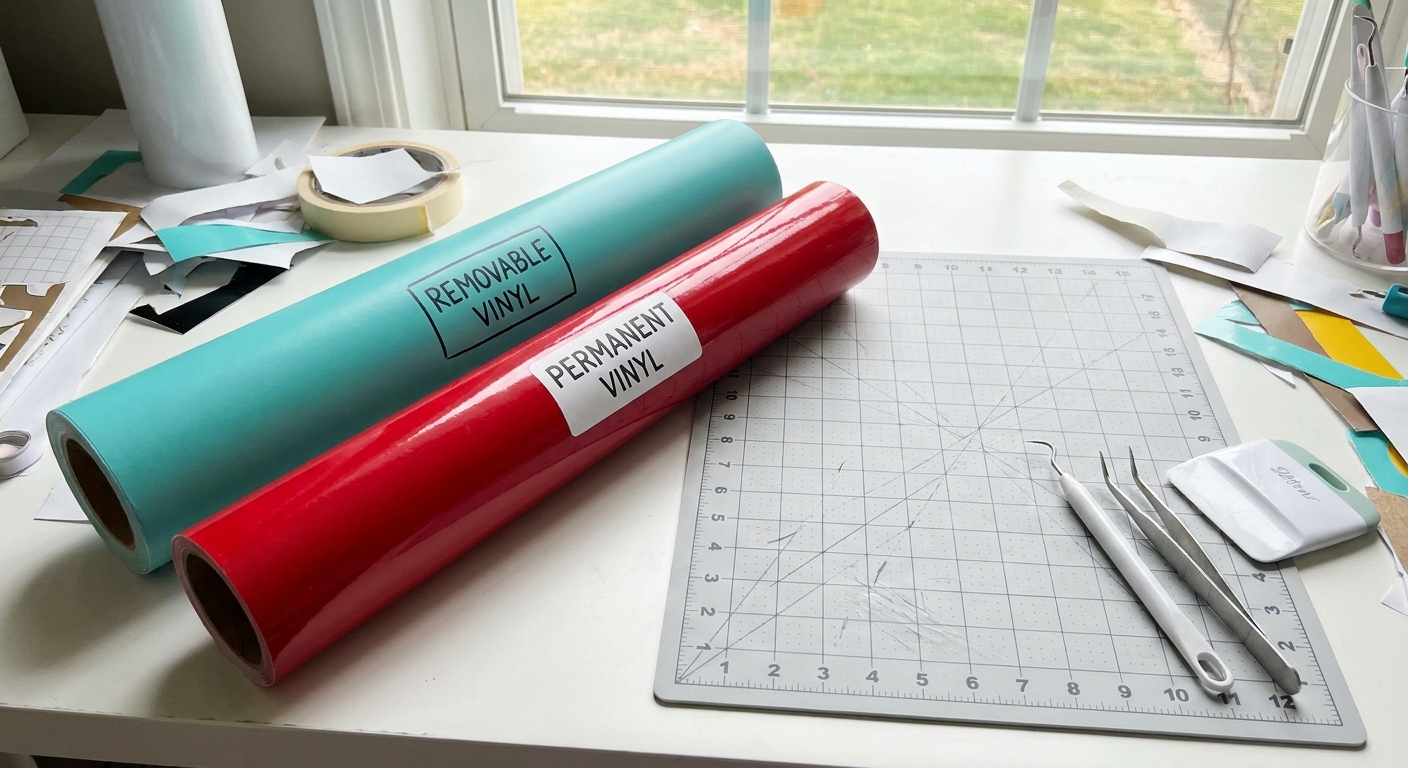
Both types are adhesive vinyl (the kind you stick down like a decal). The difference is the glue. That glue decides how long it lasts outdoors, how easy it is to reposition, and whether you will be scraping residue later.
Quick beginner note because this trips people up: adhesive vinyl is not HTV. Adhesive vinyl sticks like a sticker. HTV (heat transfer vinyl) is for fabric and needs heat to bond.
The quick answer
If you want the shortest decision rule, here it is:
- Choose removable vinyl for indoor projects, temporary decor, renter-friendly wall quotes, labels you might redo, and stencils you will pull off quickly.
- Choose permanent vinyl for outdoor exposure, frequent handling, car decals, tumblers and water bottles, and anything you do not want peeling at the edges.
Now let’s break down the “why” so you can choose confidently even when a label is vague or a roll has been living in your drawer for two years.
What changes
Outdoor life and durability
Permanent vinyl is the better choice for outdoors. It is designed to handle sun, temperature swings, and moisture without lifting. It also tends to hold up better on items that get handled a lot and wiped down often.
That said, “permanent” is not magic. On tumblers and water bottles, it generally does best with good surface prep, a full cure time, and hand-washing. Dishwasher heat and harsh detergents can shorten the life of any adhesive vinyl, even the good stuff.
Removable vinyl can work outdoors for very short term uses, but it is more likely to curl at corners, fade sooner, or release when it goes through heat and cold cycles. Think “temporary event decal,” not “set it and forget it.”
Repositioning
Removable vinyl gives you a little grace. If you lay it down and realize it is crooked, you can usually lift and re-lay it without stretching or tearing, as long as you do it gently and quickly.
Permanent vinyl grabs harder. You still have a brief window to adjust, but once you burnish it down, it wants to stay. On small details, pulling it up to fix placement can distort thin lines or leave tiny bits behind.
Residue and clean removal
Removable vinyl is made to come off cleaner. You can still get residue if it has been up a long time, sits in heat, or is applied to a textured or porous surface, but in general it is the lower risk option.
Permanent vinyl can leave adhesive behind, especially after long wear, sun exposure, or dishwasher heat. It is not impossible to remove, but removal usually takes more patience and cleanup.
Finish is separate
The removable vs. permanent decision is about adhesive, not shine. Both types can be matte or glossy depending on brand and line. Always check the roll or packaging so you do not assume “matte means removable” or “glossy means permanent.”
Best uses
When removable vinyl works best
- Renter-friendly wall quotes and nursery decals: If you might move, redecorate, or just change your mind, removable is your friend.
- Seasonal home decor: Holiday signs, temporary window decals, party backdrops.
- Short term labels: Pantry labels you are still tweaking, bins you reorganize a lot.
- Stencils (short term): Great for painting signs or etching cream stencils when you are removing it the same day.
When permanent vinyl works best
- Car lettering and bumper decals: Permanent vinyl is built for weather, sun, and car washes.
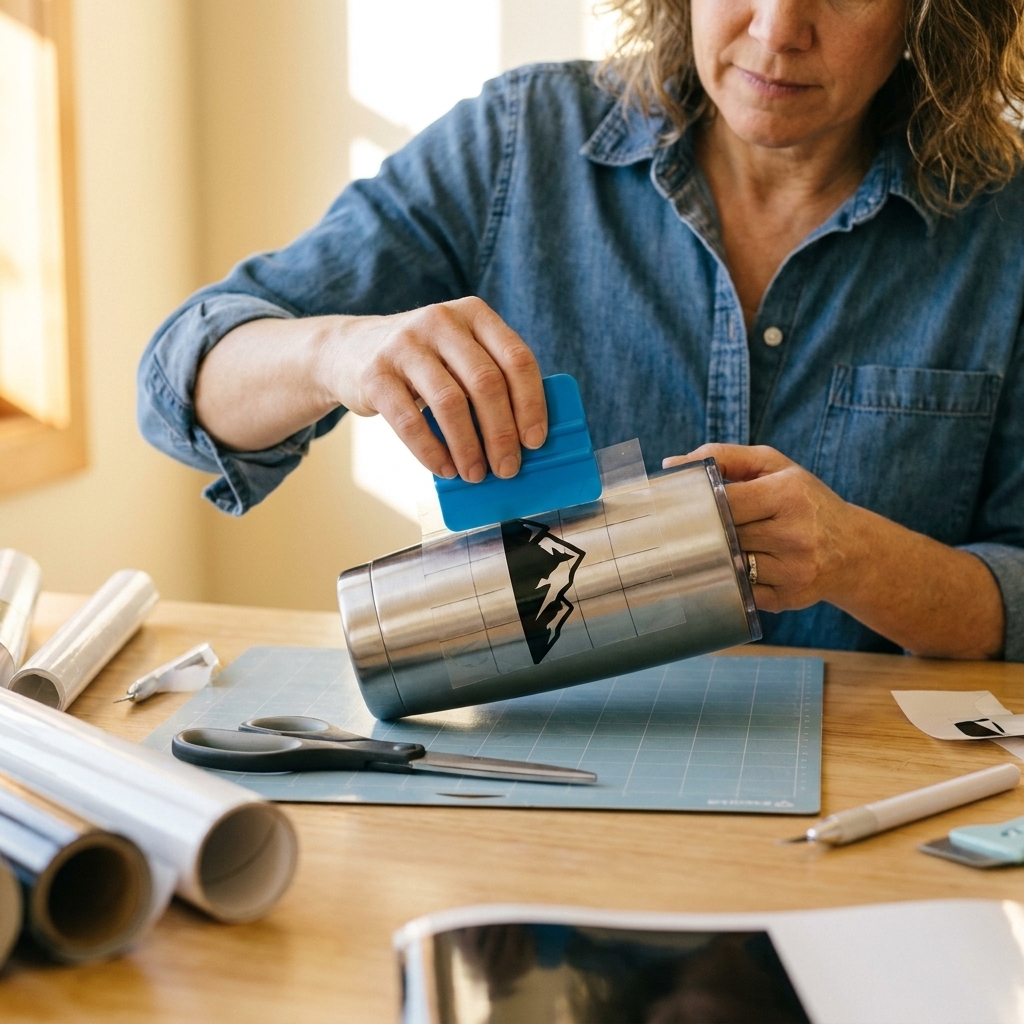
- Tumblers and water bottles: Frequent handling plus washing means you want a stronger adhesive (and hand-washing helps).
- Outdoor signs and mailbox numbers: Better edge hold, better longevity.
- High touch items: Phone cases, toolboxes, coolers, helmets.
One note from my shop days: even “permanent” vinyl has a breaking point. If a surface is dirty, oily, heavily textured, or constantly soaked, no adhesive vinyl is going to behave until you prep the surface properly.
My decision guide
1) Will it live outdoors or get wet often?
If yes, I reach for permanent. Car decals are the biggest “do not gamble” category. For tumblers, permanent is still my pick, but I plan for hand-washing and a full cure time.
2) Do I need to remove it later?
If you are decorating a rental, applying to a painted wall, or making something for an event, removable reduces the chance you are scraping glue later.
3) Is the surface tricky?
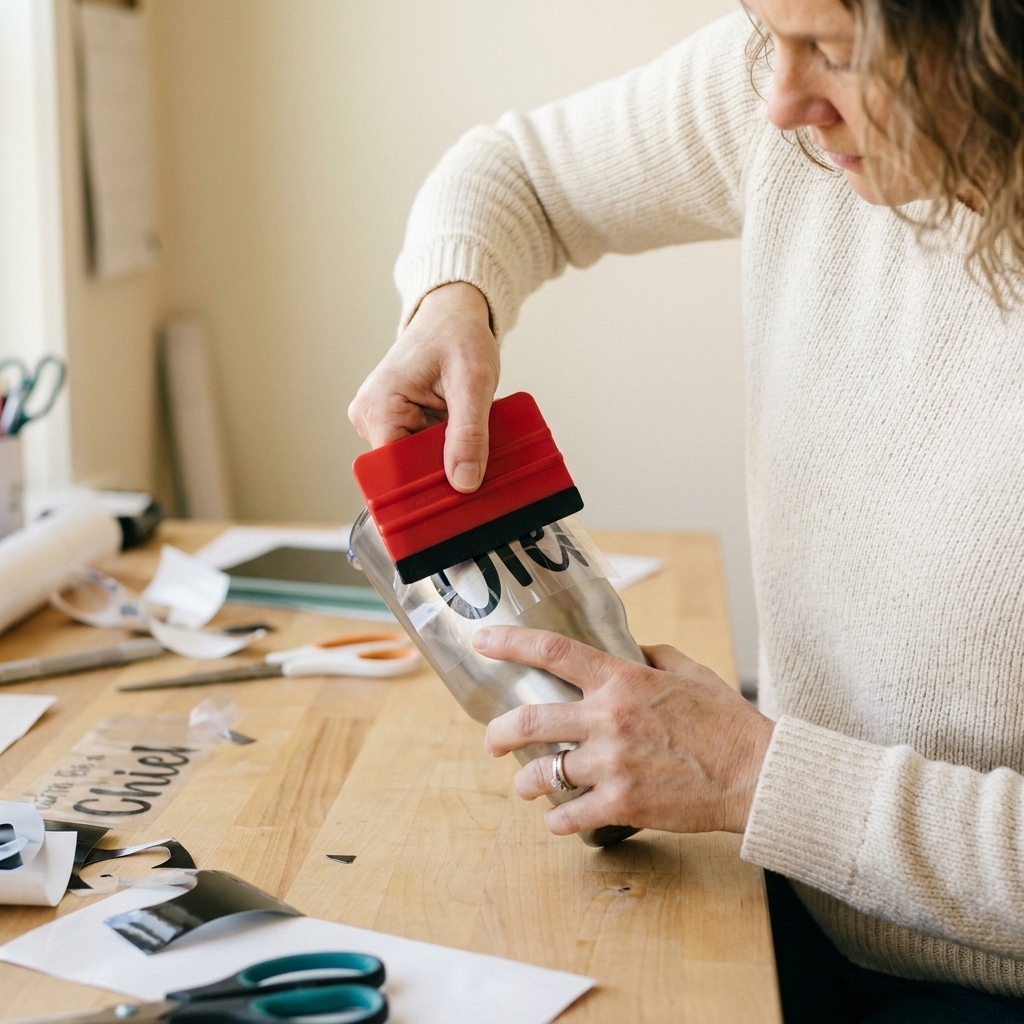
On slightly textured walls, removable vinyl can be easier to work with, but it may not grip texture well long term. On curved surfaces like tumblers, permanent generally holds edges better once it is burnished and allowed to cure.
4) Is the design delicate?
Tiny script and thin lines can lift during transfer. Permanent’s stronger tack can be helpful after it is down, but removable can make placement less stressful. If you are new, choose the adhesive based on the project, then slow down your transfer method to match.
How to read the roll
This is where most “oops” moments happen. A lot of us inherit a roll, peel off the shrink wrap, or toss packaging and think we will remember. I never do. Here is what to look for.
Check these words
- Removable, Temporary, or sometimes Wall on the label
- Permanent, Outdoor, or Permanent Glossy on the label
Look for line names
Different brands use different naming. A few patterns you will see:
- Some brands call removable Removable plainly, and call permanent Permanent plainly.
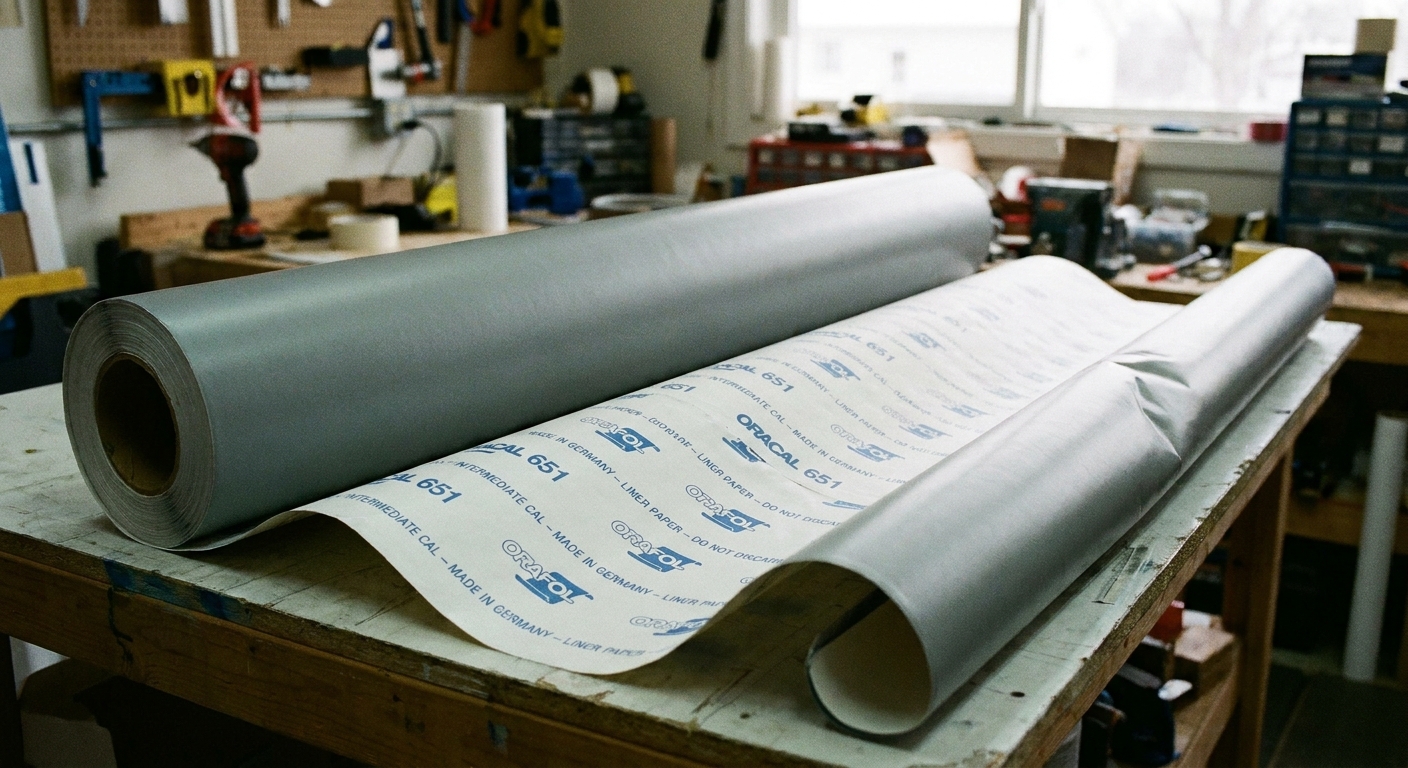
- Some use number lines. For example, in Oracal-style naming, Oracal 651 is permanent and Oracal 631 is removable. Other brands do not follow this system, so treat it as a clue, not a universal rule.
- Some use Outdoor for permanent and Indoor for removable.
Find finish and liner clues
On many rolls, the finish (glossy, matte) is printed more prominently than the adhesive type. Slow down and find the tiny print that says removable or permanent.
If your roll has no label, check the paper liner for printing. Many brands print the product line repeatedly on the backing paper.
If there is no label, do a test
When I have an unlabeled roll, I do a simple test before committing it to a big project:
- Cut a small circle or 1 inch square.
- Stick it to a clean piece of glass or a dollar store ceramic plate.
- Burnish it for 10 seconds, wait 10 minutes, then try to peel it up.
If it lifts easily and cleanly, it is likely removable. If it fights you and wants to stay, it is likely permanent.
One more thing: tack can increase as adhesive “settles,” and different surfaces change the feel. If the project is high-stakes (like a wall or a car), test again after a few hours or overnight before you commit.
Prep checklist
This is the boring part that saves the project.
- Wash first (dish soap and water) if the item is grimy, then rinse well.
- Degrease smooth hard surfaces with rubbing alcohol on a lint-free cloth. Let it fully dry.
- Avoid oily cleaners that leave residue.
- Temperature helps: room temp surfaces apply more predictably than cold ones.
For painted walls, paint cure time matters a lot. Fresh paint can feel dry quickly but still be curing for weeks. If the wall is newly painted, waiting longer (often 2 to 4 weeks, depending on paint and conditions) reduces the risk of lifting paint, even with removable vinyl.
Residue and removal
It happens. If you already applied vinyl and now you need it off, these tips help minimize damage.
For removable vinyl
- Peel slowly at a low angle (pulling back over itself).
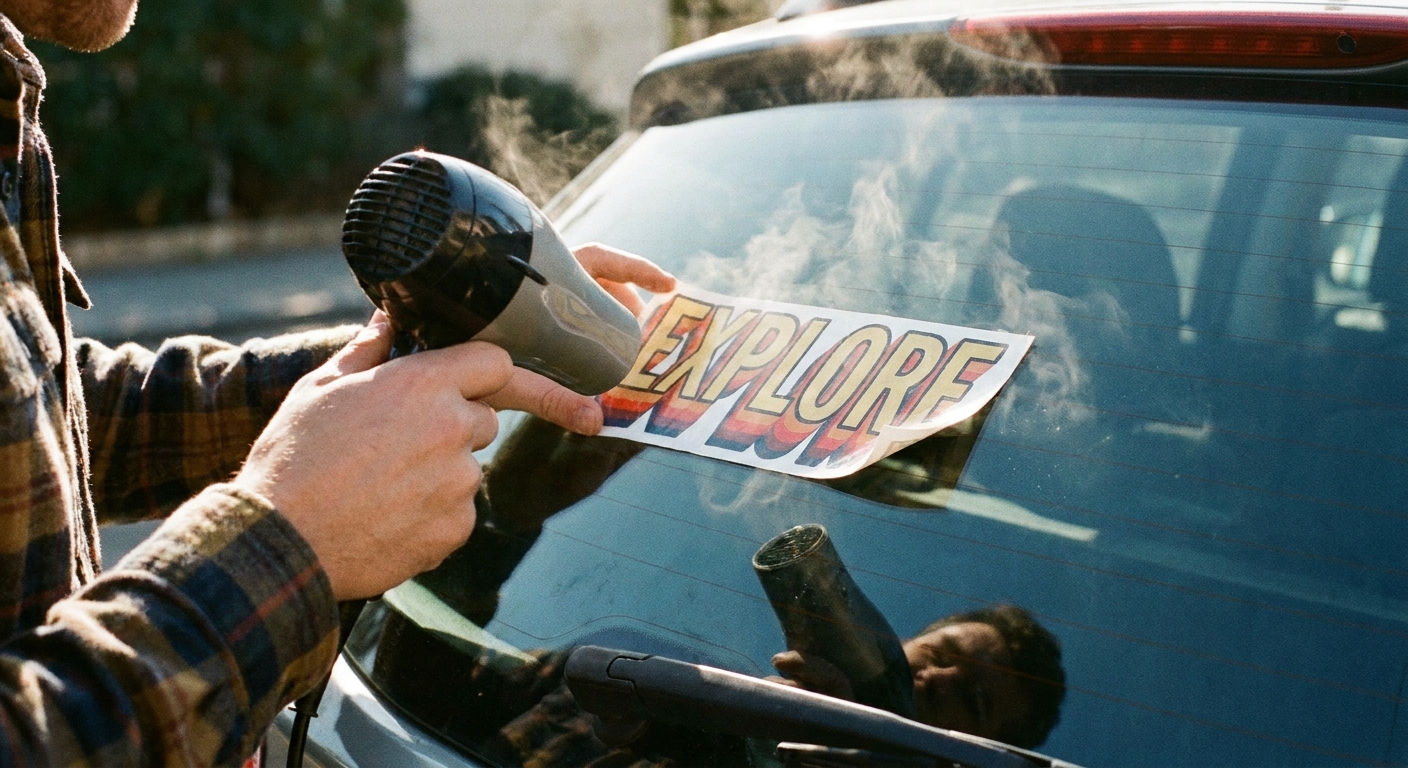
- If it tears into tiny bits, warm it gently with a hair dryer and continue slowly.
- Any light residue usually comes off with warm soapy water on glass and smooth surfaces.
For permanent vinyl
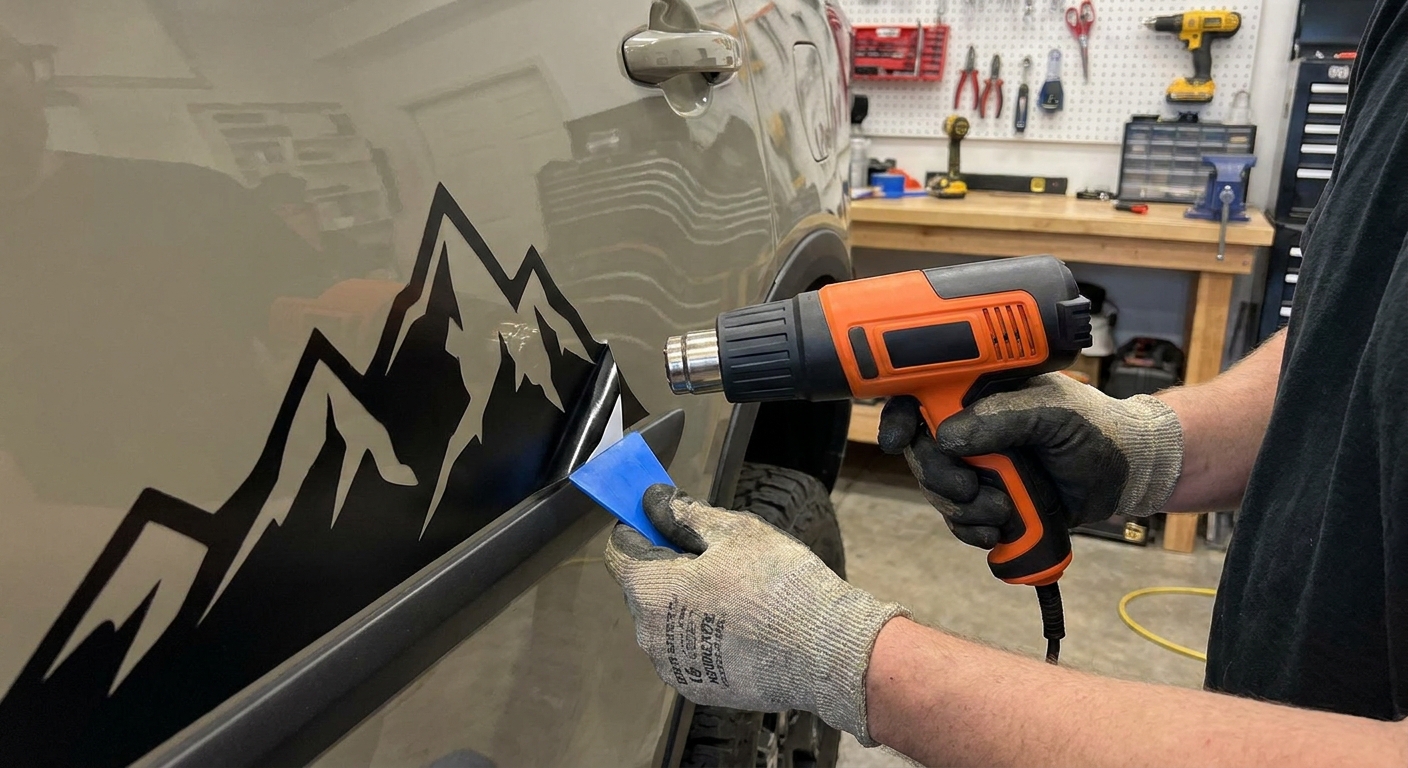
- Warm the decal first with a hair dryer to soften adhesive.
- Use a plastic scraper or old gift card rather than metal tools.
- For leftover adhesive on hard, nonporous surfaces like glass or stainless steel, rubbing alcohol can help. Test first, especially on painted or coated items.
If you are removing vinyl from a painted wall, go extra gentle. Paint type, cure time, and wall texture matter a lot, and even removable vinyl can lift paint if the paint was not fully cured.
Cheat sheet
| Project | Best vinyl | Why |
|---|---|---|
| Car lettering | Permanent | Weather and car washes demand stronger adhesive |
| Tumblers and water bottles | Permanent | Handling and washing stress the edges, hand-washing helps |
| Renter-friendly wall quotes | Removable | Easier removal with less residue risk |
| Seasonal window decals | Removable | Temporary, easy to peel off later |
| Outdoor signs | Permanent | Sun and moisture resistance |
| Short term stencil for paint | Removable | Peels up more cleanly soon after application |
| Toolbox labels | Permanent | High touch, abrasion, and shop dust |
FAQ
Can I use removable vinyl on a tumbler?
You can, but I would not for anything you want to last. Condensation, hand oils, and washing usually cause removable vinyl to lift at the seams and corners sooner.
Can I use permanent vinyl on walls?
I avoid it. Permanent vinyl can pull paint or leave adhesive behind, especially if the wall paint is matte, older, or not fully cured. If you must, test a tiny piece in an inconspicuous spot first and remove it after a day.
How long should permanent vinyl cure?
When I want the best hold, I give permanent vinyl about 24 to 72 hours on smooth surfaces before heavy washing or exposure to water. Adhesive grabs more over time, so patience helps.
Why did my decal lift with permanent vinyl?
The big culprits are surface prep (oil, dust, soap residue), too much texture, tight curves without enough burnishing, or not giving the adhesive time to set. Clean with rubbing alcohol on hard surfaces, burnish firmly, and let it rest before stress testing it.
Bottom line
Removable vinyl is for when you want flexibility and cleaner removal. Permanent vinyl is for when durability matters, especially outdoors or on high touch items like tumblers and cars. If you are unsure what you own, slow down and read the roll, check the backing paper, and do a tiny test cut on glass before you commit your good material.
If you tell me what you are making and what surface you are applying to, I can help you pick the safest vinyl type and the best transfer method so you do not have to learn the hard way like I did with that baby shower rush job.