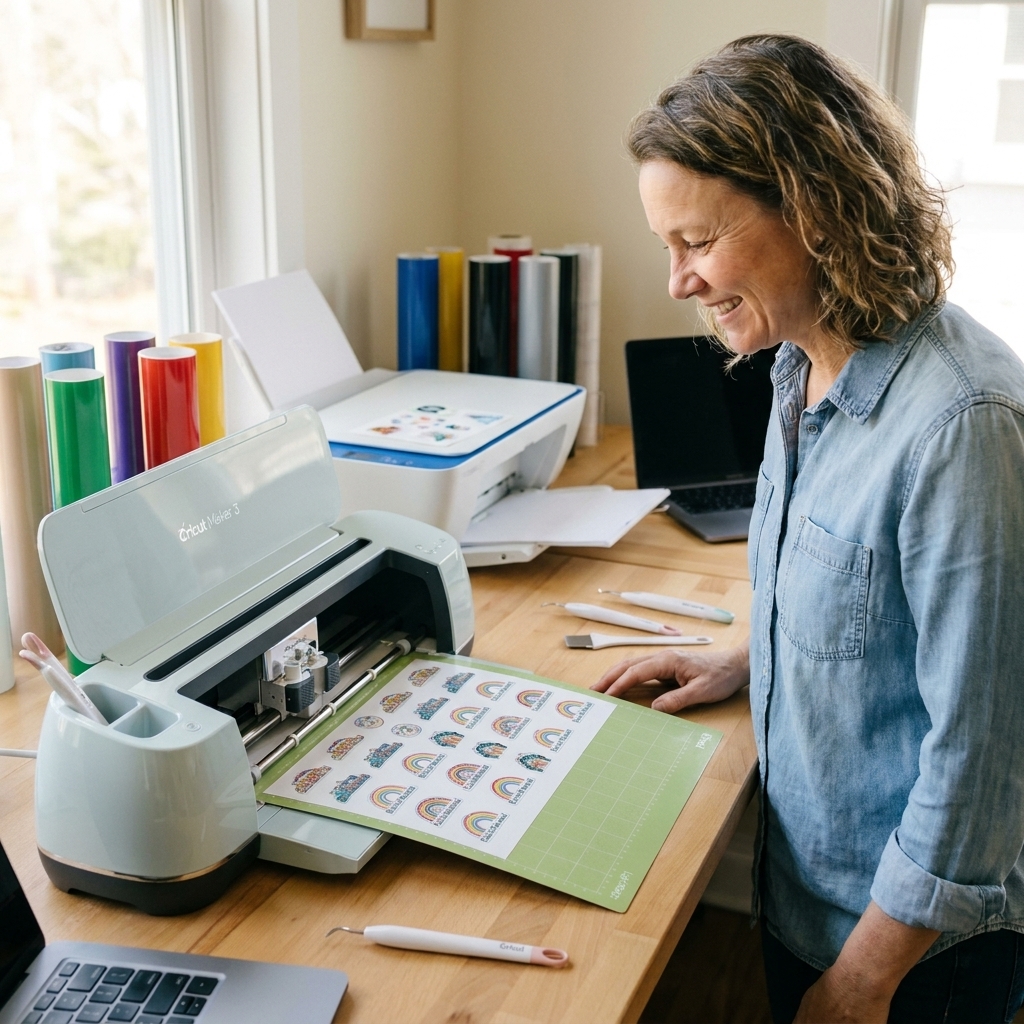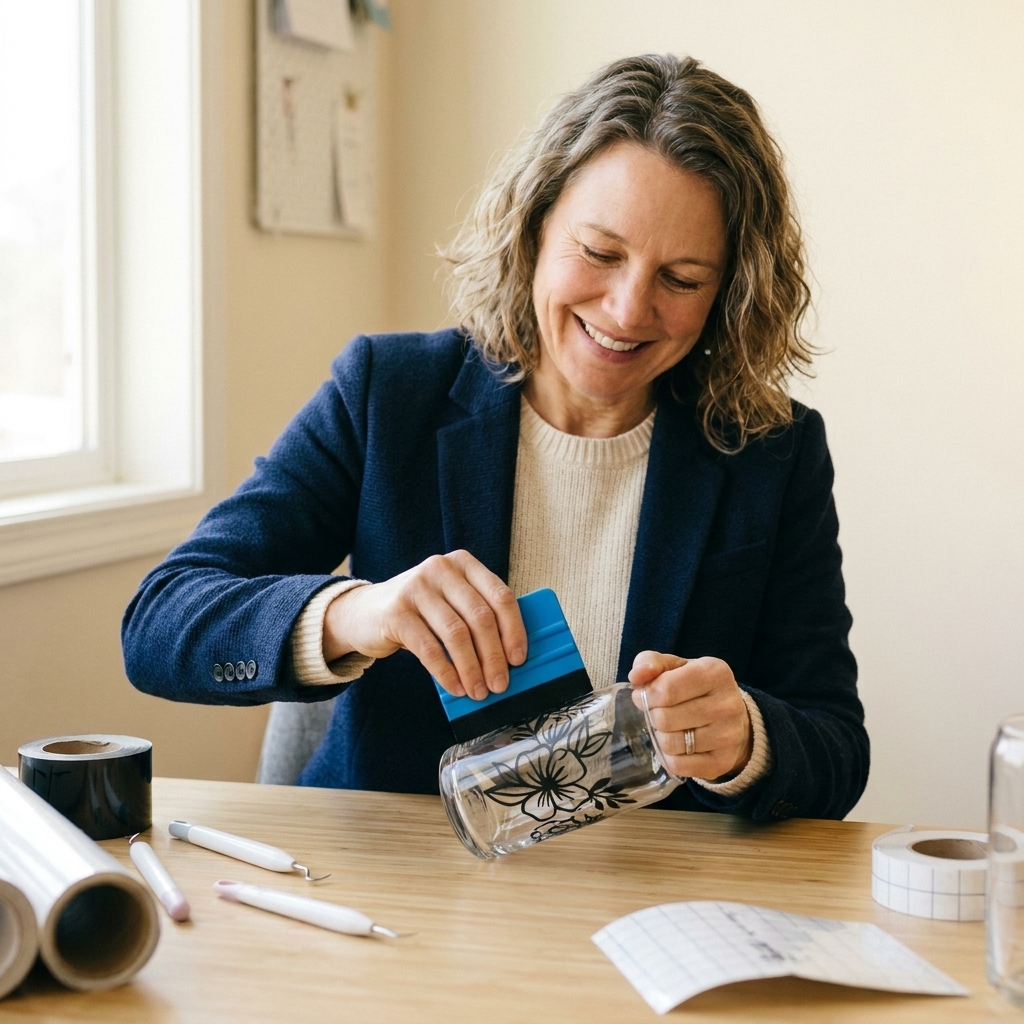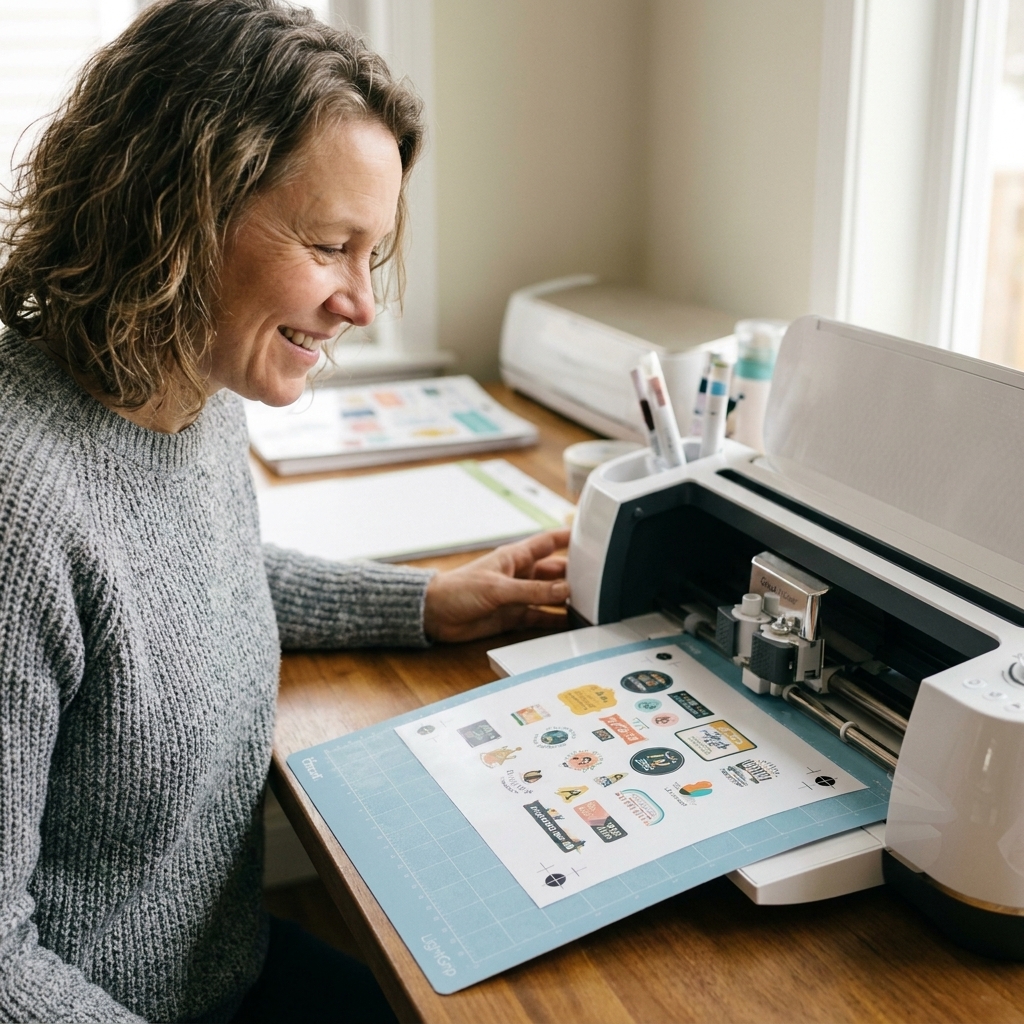
A beginner-friendly, start-to-finish tutorial for Cricut Print Then Cut sticker sheets, including kiss-cut vs die-cut, size limits, borders, calibration, set...
Maker Vinyl
Updated October 17, 2026
Printable Vinyl vs. Sticker Paper
Printable vinyl or sticker paper for Cricut Print Then Cut? Compare durability, water resistance, ink types, and print quality, plus my go-to picks for decals that actually last.

Harper Davis
Harper Davis is a lifelong DIY enthusiast and cutting-machine expert who loves helping beginners conquer Cricut Design Space. With over six years of experience running a custom vinyl shop, she shares practical tutorials, material guides, and creative inspiration.
If you have ever held two “printable sticker” sheets in your hands and thought, why do these feel totally different but the listings look identical? you are not alone. In my vinyl shop days, I wasted more sheets than I care to admit because I picked the wrong base for the job. The good news is this decision gets easy once you know what you are asking the sticker to survive.
Let’s break down printable vinyl vs. sticker paper in a very Cricut-friendly way, with durability, water resistance, and print quality front and center. By the end, you will know exactly what to buy for your next Print Then Cut project.
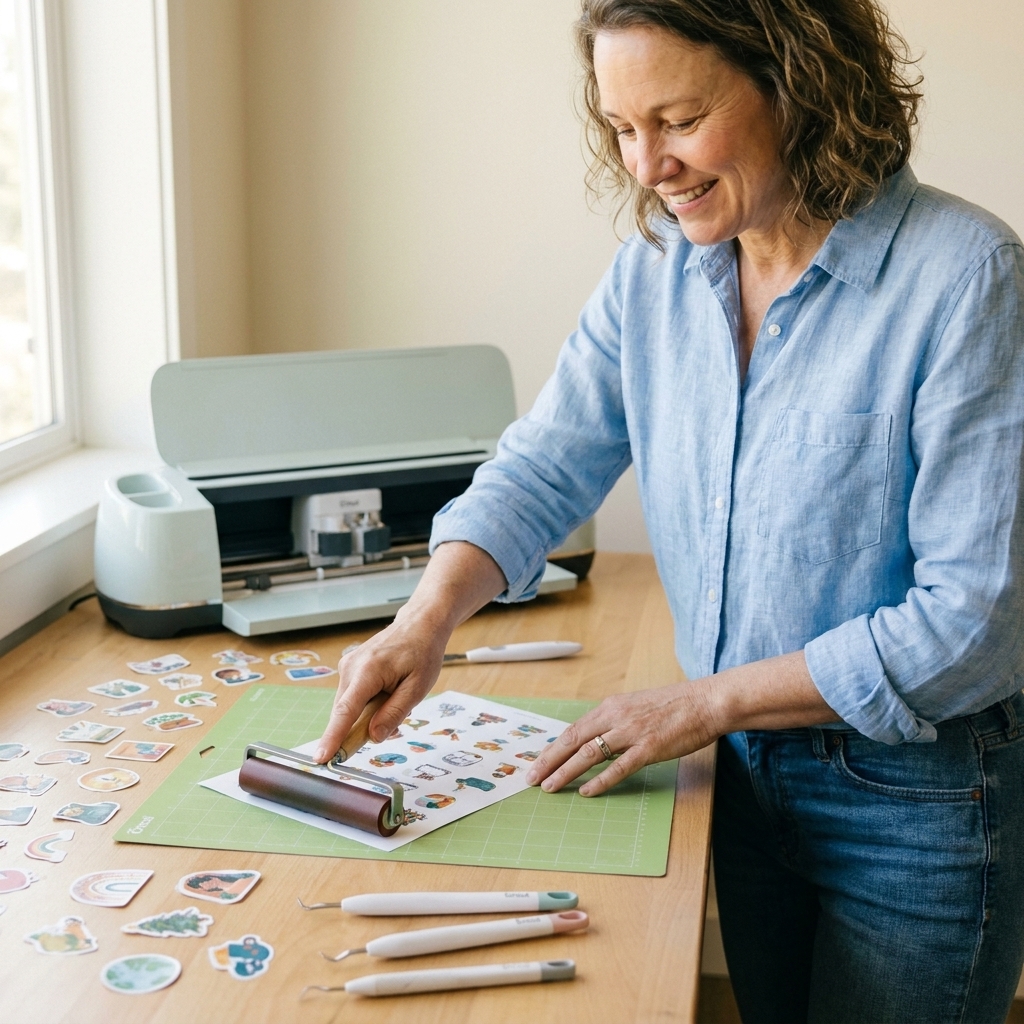
The quick difference
Printable vinyl is a plastic-based sticker film. It is usually smoother, more flexible, and more water resistant than paper-based sticker paper, especially when laminated. Exact performance still varies by brand, ink, and finish.
Sticker paper is paper-based (even if the top feels coated). It often prints beautifully, costs less, and is perfect for dry, indoor use, but it is not naturally water resistant.
- Choose printable vinyl for decals that may see moisture, frequent handling, or light outdoor exposure (water bottles with hand-wash expectations, toolboxes, bin labels, and similar projects).
- Choose sticker paper for planner stickers, packaging seals, labels for dry goods, and anything that lives indoors.
Durability
Printable vinyl durability
Printable vinyl is usually the sturdier option in everyday use. It resists tearing, it flexes instead of cracking, and the surface tends to shrug off scuffs better than paper.
- Best for: decals that get touched a lot, like laptop stickers, phone case decals (on smooth cases), storage bin labels, kids’ water bottle name stickers (with laminate), and anything you will wipe down occasionally.
- What to watch: “Printable vinyl” is a category, not one exact material. Some sheets are strictly indoor craft vinyl, while others are rated for outdoor use with UV resistance. If you need true outdoor durability (sun and weather), look for an outdoor rating on both the printable vinyl and the laminate, and keep expectations realistic about long-term fading.
Sticker paper durability
Sticker paper is more likely to tear when you peel it up and reposition it, and the edges can fuzz or lift faster, especially on items that get handled or bumped.
- Best for: planners, journals, gift tags, envelope seals, party favor labels, and product labels for items that stay dry.
- What to watch: even “glossy” sticker paper is still paper underneath. Condensation, a damp hand, or a spilled drink can wrinkle it or stain it.
Water resistance
Printable vinyl and water
Printable vinyl is naturally more water resistant because the base layer is plastic. That said, your ink and top surface are still the vulnerable parts.
Most home inkjet stickers smear when wet if they are printed with dye-based ink and left unprotected. Pigment inks can be more water resistant, but they still benefit from drying time and a protective layer, especially for anything that gets handled or rubbed.
For water resistance you can count on, plan on:
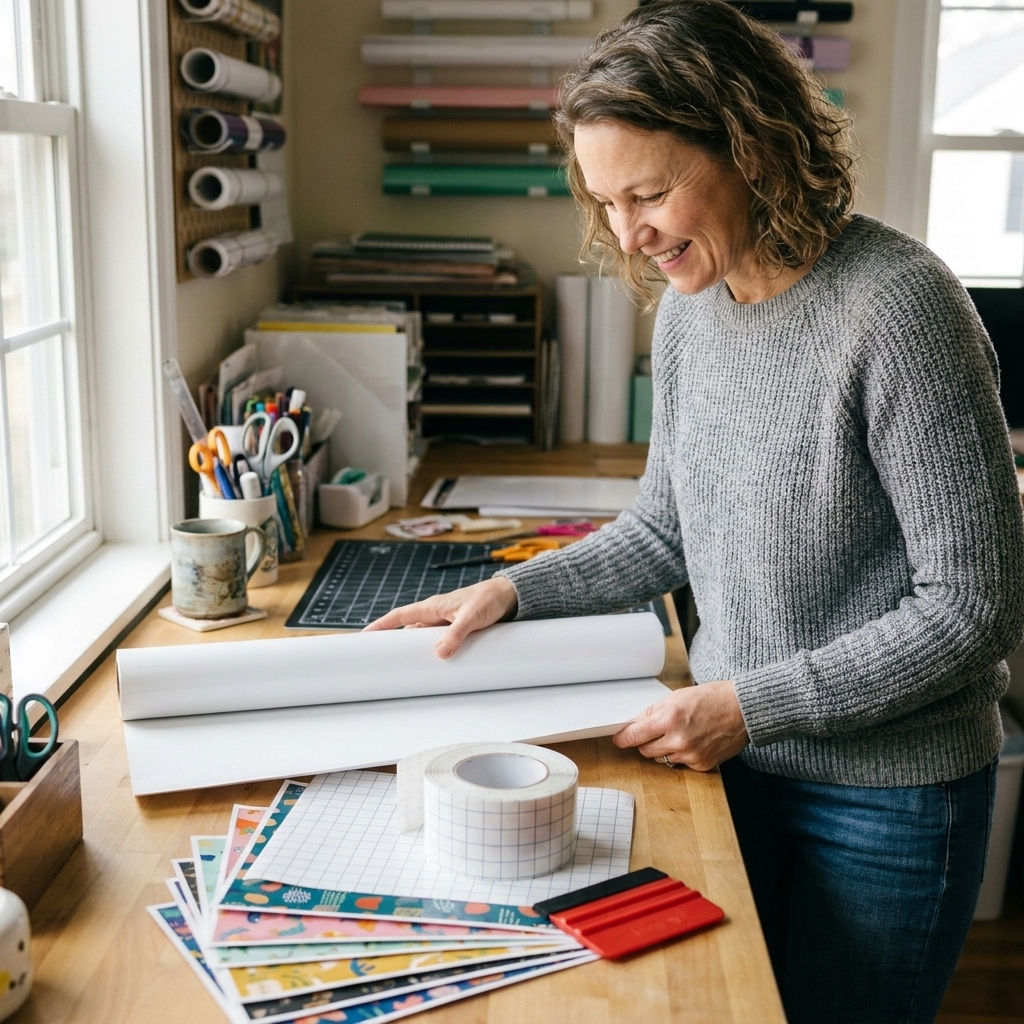
- Laminating (clear printable laminate sheets or self-adhesive cold laminate).
- Letting ink dry and cure before cutting and before laminating. I personally give most inkjet prints at least 15 to 30 minutes, and longer if the ink feels at all tacky.
- Hand-wash expectations for most craft stickers. “Water resistant” is realistic. “Dishwasher safe” is a much higher bar.
Sticker paper and water
Sticker paper is not water resistant in a reliable way. A laminate can help protect the ink on the front, but it cannot change the fact that paper absorbs moisture from the edges and back side.
If you need a label near a sink, on a candle jar that might get wiped down, or on a kid’s lunch container, printable vinyl will save you a lot of disappointment.
Print quality
Both can look amazing, and the brand, finish, and printer settings matter a lot.
Sticker paper print quality
Sticker paper often wins for crisp, saturated prints, especially on matte finishes. Many papers are coated specifically for ink absorption and sharp detail, which helps with small text and illustrated designs.
- Great for: illustrated stickers, planner sets, small text labels, and anything where fine detail matters.
- Tip: if you sell stickers or want that boutique look, a nice matte sticker paper plus a soft-touch laminate can be gorgeous, as long as the stickers are intended for dry use.
Printable vinyl print quality
Printable vinyl can be equally vibrant, especially in glossy, and premium brands can look just as sharp as paper. On lower-end printable vinyl, you may notice slightly softer fine details compared to a high-quality sticker paper.
- Great for: bold decals, logo stickers (with a good printer profile), and designs that need durability.
- Tip: if your blacks look a little gray or your colors look dull, bump your print quality to “Best” and choose the closest paper type in your printer settings.
Adhesive and surfaces
Adhesive varies wildly by brand and even by product line, so think of these as common patterns, not guarantees.
- Printable vinyl often has a decal-style adhesive that grips smooth surfaces well, like glass, plastic bins, notebooks, laptops, sealed wood, and painted metal. Some printable vinyl is removable or medium tack, so check the listing for “permanent” vs. “removable.”
- Sticker paper is often optimized for paper-to-paper sticking: planners, cardstock packaging, paper bags, and boxes. It can work on plastic, but it is more likely to lift at the edges over time.
No matter what you choose, clean the surface first. A quick wipe with 70%+ isopropyl alcohol on hard surfaces is my go-to move for better adhesion.
Design Space and cutting
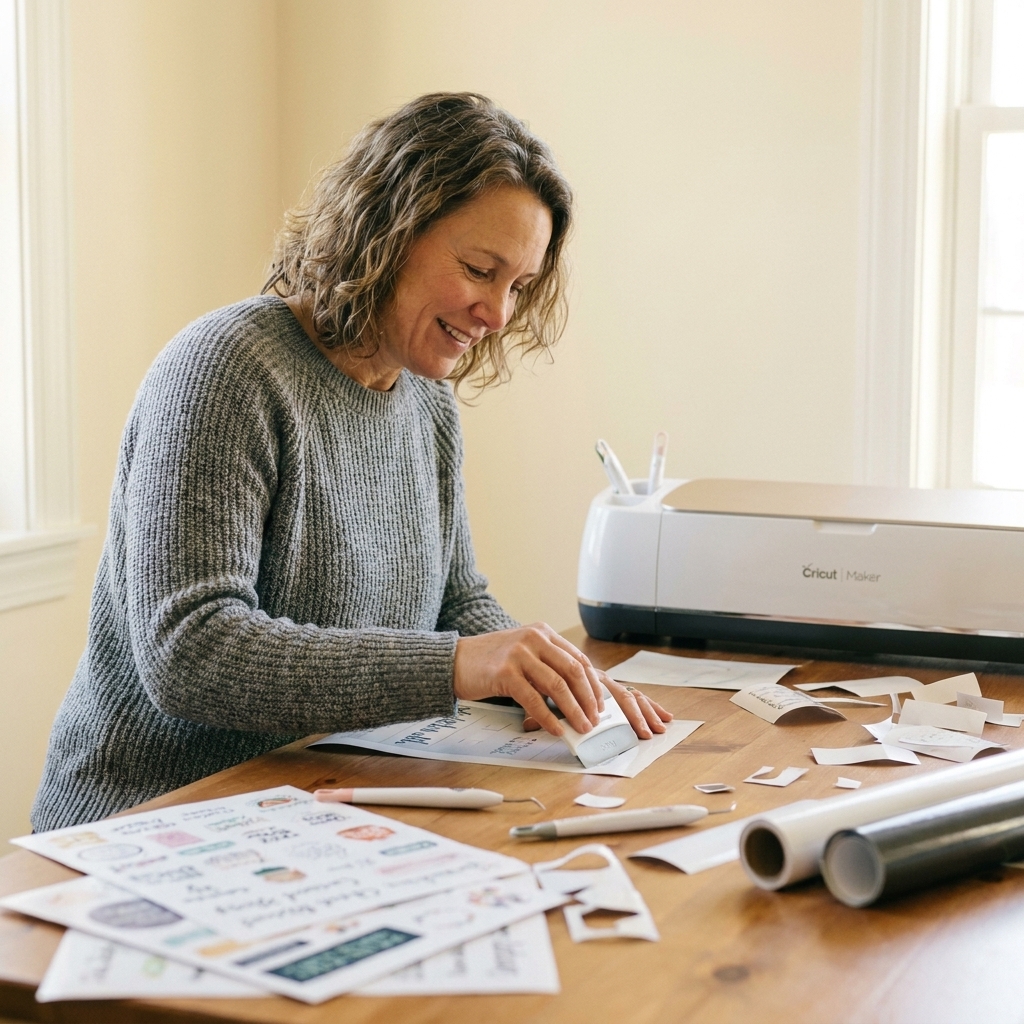
Both materials are compatible with Cricut Print Then Cut, but you will get cleaner results if you match the cut setting to the thickness and finish.
Printable vinyl cutting notes
- Vinyl tends to cut very cleanly, especially glossy sheets.
- If you laminate, your material is thicker. Expect to increase pressure or use a heavier setting.
- For kiss-cuts (sticker sheets), you want a setting that cuts the sticker layer but not the backing.
Sticker paper cutting notes
- Matte sticker paper kiss-cuts beautifully, but some brands pill or fuzz on intricate cuts.
- Glossy sticker paper sometimes needs a little more pressure to avoid leaving uncut fibers, especially on tiny details.
My best beginner tip: always do a small test cut in a corner. I know, I know. You want to just hit Go. But one test cut saves an entire sheet.
Lamination
If you want decals that feel professional and last longer, laminate is the upgrade that makes the biggest difference.
Laminate is worth it for:
- Water bottle stickers (hand-wash recommended)
- Car window decals only if your printable vinyl and laminate are specifically rated for automotive or outdoor glass use
- Laptop stickers that will live in backpacks
- Anything you might wipe down with a damp cloth
You can skip laminate for:
- Planner stickers
- Gift labels
- Envelope seals
- Short-term party decor labels
One important note: laminate helps with scratch resistance and moisture on the front. It does not make low-quality ink waterproof, and it cannot protect unsealed paper edges forever.
Ink types
This is the part most listings skip, and it matters.
- Dye ink (common in many home inkjets): tends to look vibrant, but it can run if water hits it. Printable vinyl plus laminate helps a lot.
- Pigment ink (common in some “photo” or “office” inkjets): often has better water resistance once fully dry, but it can still scuff without lamination, especially on high-touch stickers.
- Toner (laser printers): is fused to the surface and is usually smear-resistant right away, but it can still scratch or crack if the sheet is not laser-rated or if the sticker gets flexed a lot.
Finish and writeability
If you want to write on your stickers with a pen or marker, finish matters as much as material.
- Matte sticker paper is usually the easiest to write on cleanly, which is why it is so popular for planners and pantry labels.
- Matte printable vinyl can be writeable too, but some brands feel slicker and certain pens will smudge. If writeability is the whole point, test one sheet before you buy in bulk.
- Glossy anything is the hardest to write on without smearing unless you use the right marker and give it time to dry.
Storage and longevity
- Sticker paper: can warp, curl, or yellow faster in humid spaces. Store it flat, sealed, and away from moisture.
- Printable vinyl: can curl or show a little shrinkage over time depending on the liner and adhesive. Store it flat when you can, and avoid leaving finished stickers baking in a hot car.
White vs. clear
Printable vinyl and sticker paper come in white and clear, and clear is its own learning curve.
- White is easiest for bold, accurate color and clean edges.
- Clear can look amazing on glass, but your colors may look more transparent, and you may notice a cut halo or visible adhesive edge on certain surfaces. If you want “true” color on clear, you typically need a white underbase, which most home printers cannot print.
Which should you pick?
- Planner stickers: Sticker paper (matte is my favorite for writing on).
- Product labels for dry items (candles, soaps in boxes, bakery boxes): Sticker paper.
- Labels for pantry containers that might get wiped: Printable vinyl plus laminate if you expect moisture or grease.
- Kids’ name stickers for school supplies: Printable vinyl plus laminate.
- Water bottle decals: Printable vinyl plus laminate, hand-wash expectations.
- Outdoor decals: Printable vinyl specifically rated for outdoor use plus an outdoor-rated laminate. Many home printable vinyl sheets are not true long-term outdoor materials.
- Car window decals: Only use printable vinyl and laminate that explicitly list automotive or exterior glass use. If it is not rated for it, do not assume it will last on a car.
- Temporary event stickers (giveaways, party favors): Sticker paper to keep costs down.
Printer settings
Most Print Then Cut headaches are often not Cricut problems. They are printer setting problems.
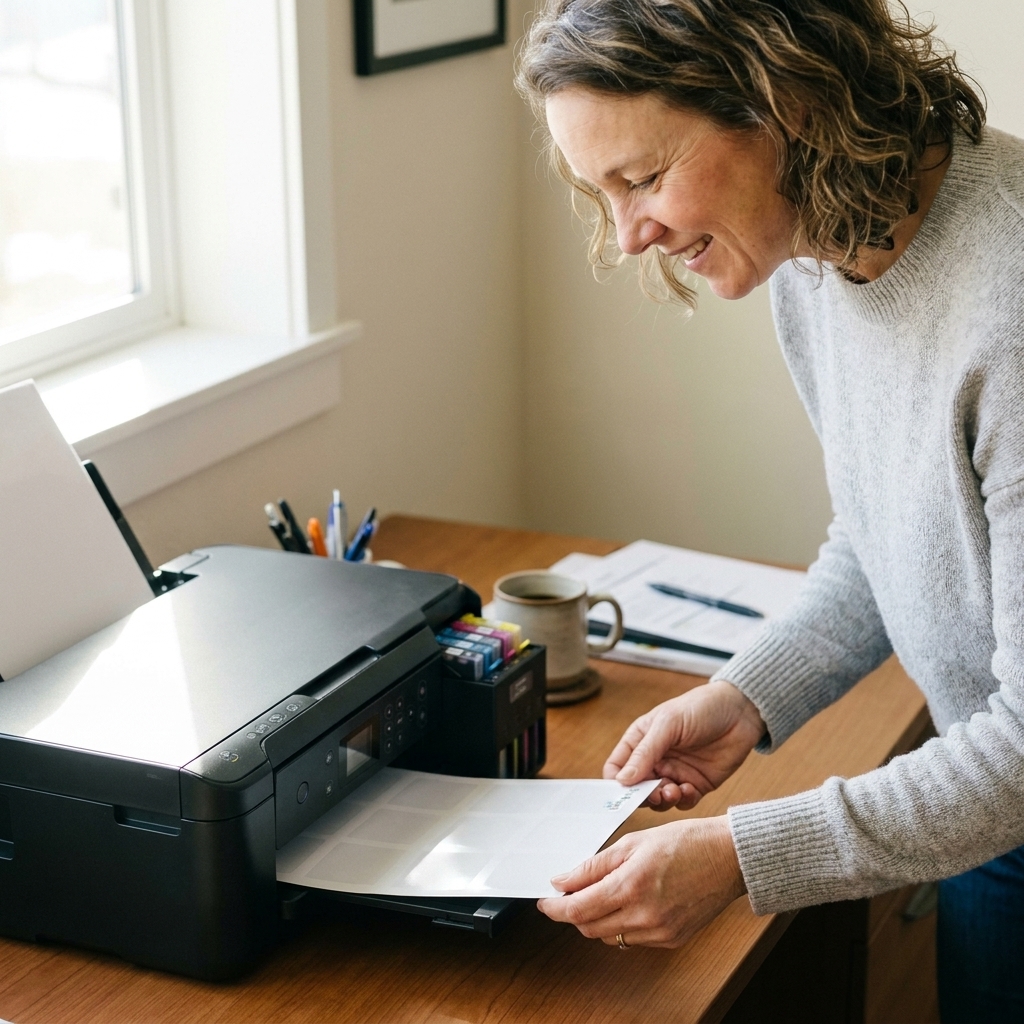
If you use an inkjet printer
- Use the correct media type: “Photo Paper Glossy” for glossy, “Matte Photo Paper” for matte, or the closest match your printer offers.
- Quality: select “High” or “Best” for richer color and sharper edges.
- Dry time: give ink time to fully dry before handling or laminating.
If you use a laser printer
- Laser-safe printable vinyl and laser-safe sticker paper exist, but do not mix and match. Heat matters.
- Laser prints are usually more smear-resistant right away, but they can still scuff. A laminate can help if your material is compatible.
If you are not sure what you have, check the packaging. If the listing does not clearly state inkjet or laser, I would skip it.
Common problems
My stickers smear when they get wet
That is usually unprotected inkjet ink, especially dye ink. Switch to printable vinyl and add laminate, then let the ink dry longer before you laminate.
The colors look dull
Try a different media type setting, bump print quality up, and make sure you are not printing in Draft. Material quality matters too. Premium sticker paper and premium printable vinyl both tend to print more richly than budget packs.
My Cricut is not cutting cleanly
Do a test cut, then adjust pressure. For laminated sheets, you may need a heavier setting. Also, use a clean StandardGrip mat and a sharp blade. Dull blades cause tearing on paper products.
My sticker edges lift
Clean the surface with 70%+ isopropyl alcohol, avoid textured surfaces, and consider printable vinyl for stronger adhesion. If you laminated, burnish the edges well so the laminate and sticker layer bond tightly.
My bottom line
If you want the most forgiving, most durable material for decals, printable vinyl wins, especially with laminate. Just remember that “printable vinyl” ranges from indoor craft sheets to outdoor-rated products, so check the label.
If you are making stickers for planners, packaging, or anything dry and indoor, sticker paper is budget-friendly and can look absolutely beautiful.
When in doubt, ask yourself one question: Will this sticker ever meet water? If the answer is maybe, go printable vinyl.
FAQ
Is printable vinyl the same as permanent vinyl?
No. Permanent vinyl is colored adhesive vinyl you cut shapes from. Printable vinyl is a blank white (or clear) material designed to be printed first, then cut.
Can I use sticker paper on a water bottle?
I do not recommend it. Even if the front is laminated, the paper base can absorb moisture and the edges will usually fail.
Do I need laminate for printable vinyl stickers?
Not always. For indoor stickers that will not be handled much, you can skip it. For anything exposed to moisture, friction, or frequent touching, laminate is absolutely worth it.
Can Cricut cut laminated sticker sheets?
Yes. You may need to use a heavier material setting and do a test cut. Also make sure your laminate is smoothly applied, since bubbles can affect cut consistency.