A beginner-friendly, step-by-step Infusible Ink shirt tutorial: compatible blanks, mirroring, cutting, cracking to weed, and pressing with butcher paper and ...
Maker Vinyl
Published
Infusible Ink vs HTV: Which Lasts Longer on Shirts?
Infusible Ink and heat transfer vinyl (HTV) both make great custom tees, but they wear differently. Learn how each bond works, what fabrics and colors they need, and which holds up best to washing, stretching, and daily life.

Harper Davis
Harper Davis is a lifelong DIY enthusiast and cutting-machine expert who loves helping beginners conquer Cricut Design Space. With over six years of experience running a custom vinyl shop, she shares practical tutorials, material guides, and creative inspiration.
The first time I tried to make custom onesies for my niece’s baby shower, I was convinced the universe had a personal vendetta against me and my secondhand cutting machine. I wasted vinyl, scorched a tiny sleeve, and learned very quickly that not all shirt methods “last” the same way. Some fade. Some crack. Some just peel up at the corners right when you finally feel proud enough to wear it in public.
If you’re deciding between Cricut Infusible Ink transfer sheets and heat transfer vinyl (HTV), here’s the big idea: they bond to a shirt in totally different ways. That bonding method is what determines how they handle washing, stretching, and years of wear.
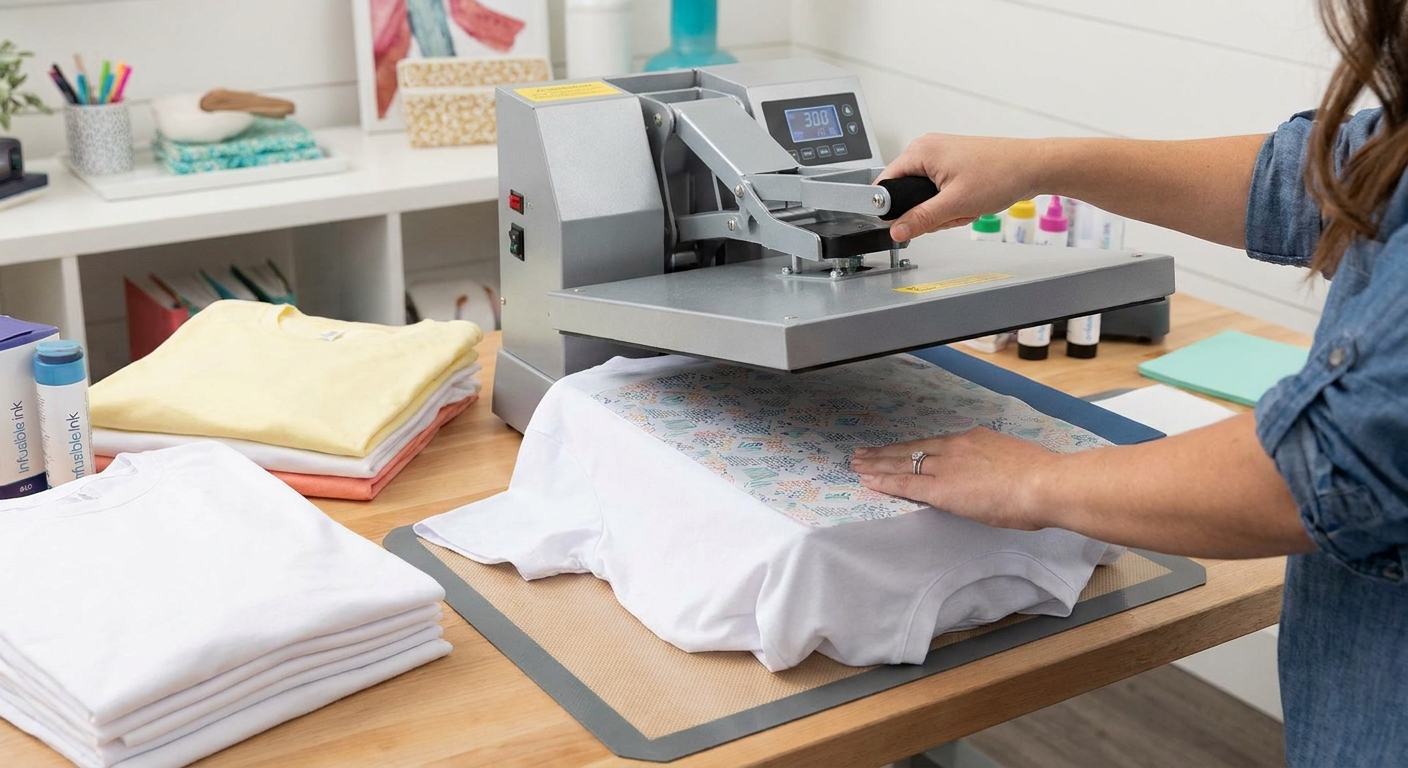
Quick answer: which one lasts longer?
Infusible Ink usually lasts longer than HTV when it’s applied to the right blank, because the dye becomes part of the fabric instead of sitting on top of it. It is very resistant to cracking, peeling, and thick edges catching in the wash.
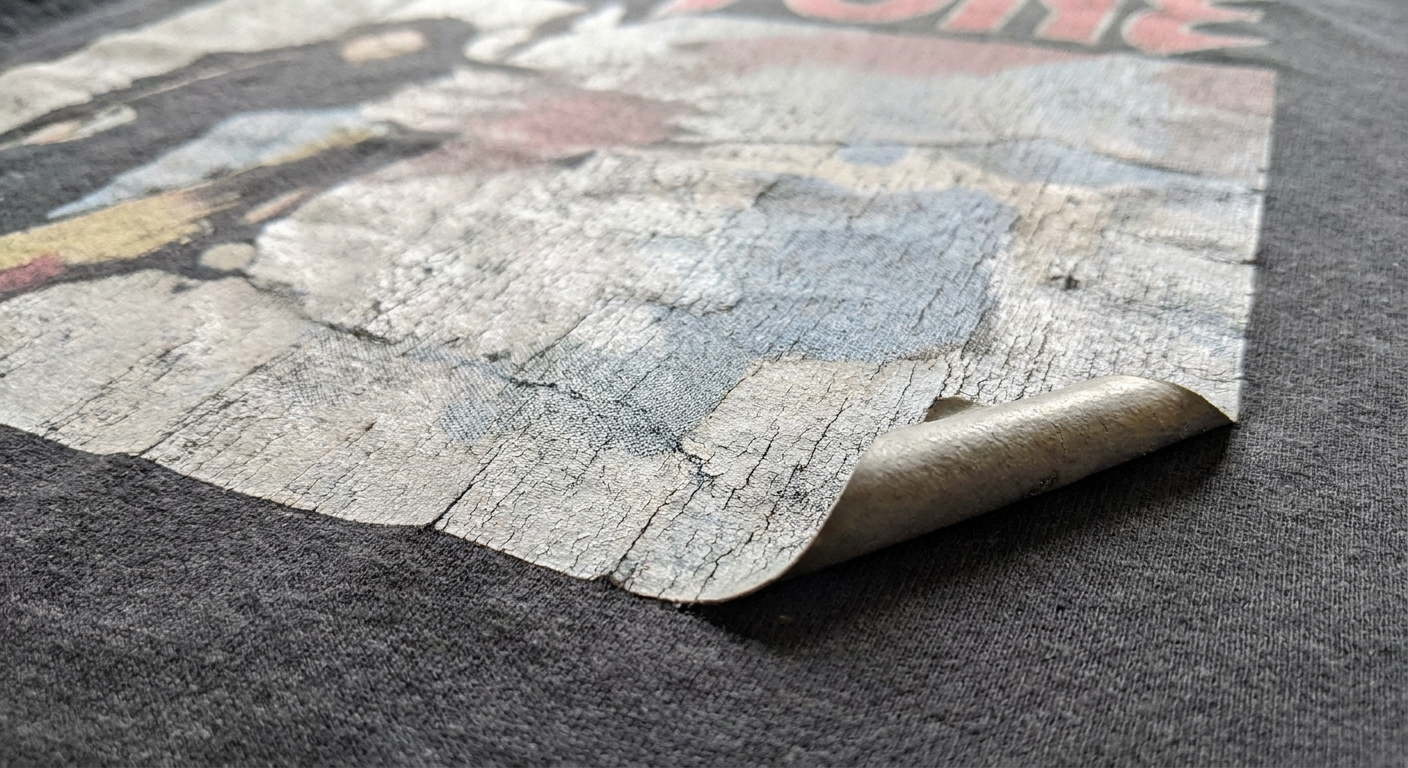
HTV can still last for years, especially quality vinyl applied with correct heat, pressure, and peel timing. But HTV remains a separate layer on the shirt, so over time it is more vulnerable to lifting at edges, cracking on heavy-stretch areas, and looking worn where the vinyl flexes repeatedly.
That said, “lasts longer” is not the only decision point. Infusible Ink has stricter shirt requirements. HTV works on a much wider range of fabrics and colors and allows layering, special finishes, and bolder looks on dark garments.
How the bond works
Infusible Ink: dye becomes part of the fibers
Infusible Ink is a heat-activated dye. Under high heat, the dye turns into a gas and bonds with polyester fibers (or a poly coating on a compatible blank). Once it’s infused, it is not a “layer” you can pick at. You cannot feel a raised edge the way you can with vinyl.
Durability implication: because there is no edge to lift and no film to crack, Infusible Ink tends to keep looking “new” through lots of washing and flexing, as long as the fabric itself holds up.
HTV: adhesive-backed film bonds on top
HTV is a plastic-like film (often polyurethane) with a heat-activated adhesive. Pressing melts the adhesive so it grips the fabric fibers. It is strong, but it remains a distinct layer on top of the shirt.
Durability implication: that top layer can eventually show wear from friction, repeated stretch, or detergent and heat stress. Most failures happen at edges, small details, and high-stretch zones like the belly, chest, shoulder seams, and ribbed necklines.
Fabric and color rules
Infusible Ink fabric requirements
- Best on high polyester. The higher the poly percentage, the more vivid and durable the result. Think performance tees and many “sublimation blanks.”
- Not made for 100% cotton. Sublimation-style dyes do not permanently bond to cotton (cellulose) the way they bond to polyester, so results are typically duller and less durable.
- Yes, there are cotton “hacks.” Poly sprays and coatings can make transfers appear to work on cotton, but they tend to reduce consistency and long-term durability compared with a true poly or poly-coated blank.
- Light colors are the norm. Infusible Ink is not opaque. There is no white ink. Your shirt color shows through the design.
What that means in real life: if you want a crisp, vibrant design, you are usually choosing a light or white shirt and a high-poly blend. If you hate light shirts or you need a deep black tee, Infusible Ink is rarely the practical answer.
One more reality check: color can shift depending on polyester content and the blank itself. Even “black” can read more charcoal on some shirts, especially lower-poly blends.
HTV fabric requirements
- Works on cotton, polyester, and blends. HTV is the everyday workhorse for basic tees and sweatshirts.
- Works on light and dark colors. Since HTV is opaque (in most colors), it shows up beautifully on black and other dark garments.
- Stretch fabrics need stretch-friendly HTV. For spandex-heavy athletic wear, you want HTV designed to flex well.
What that means in real life: if you want to grab a comfy cotton tee, make a dark shirt design, or apply graphics to a huge variety of garments, HTV is typically the easiest fit.
Feel on the shirt
Infusible Ink feel
Infusible Ink has the most “professional retail” feel for many designs because it is smooth and weightless. You can run your hand over it and mostly feel fabric, not a decal.
If you are making a large chest design and you hate the sensation of a big vinyl panel, Infusible Ink is absolutely worth considering.
HTV feel
HTV can feel anything from thin and flexible to thick and plasticky depending on the brand, finish, and how many layers you stack. A single layer of everyday HTV often feels fine. Multiple layers, glitter HTV, or large solid blocks can feel heavier, especially in hot weather.
Washing and drying
Infusible Ink in the wash
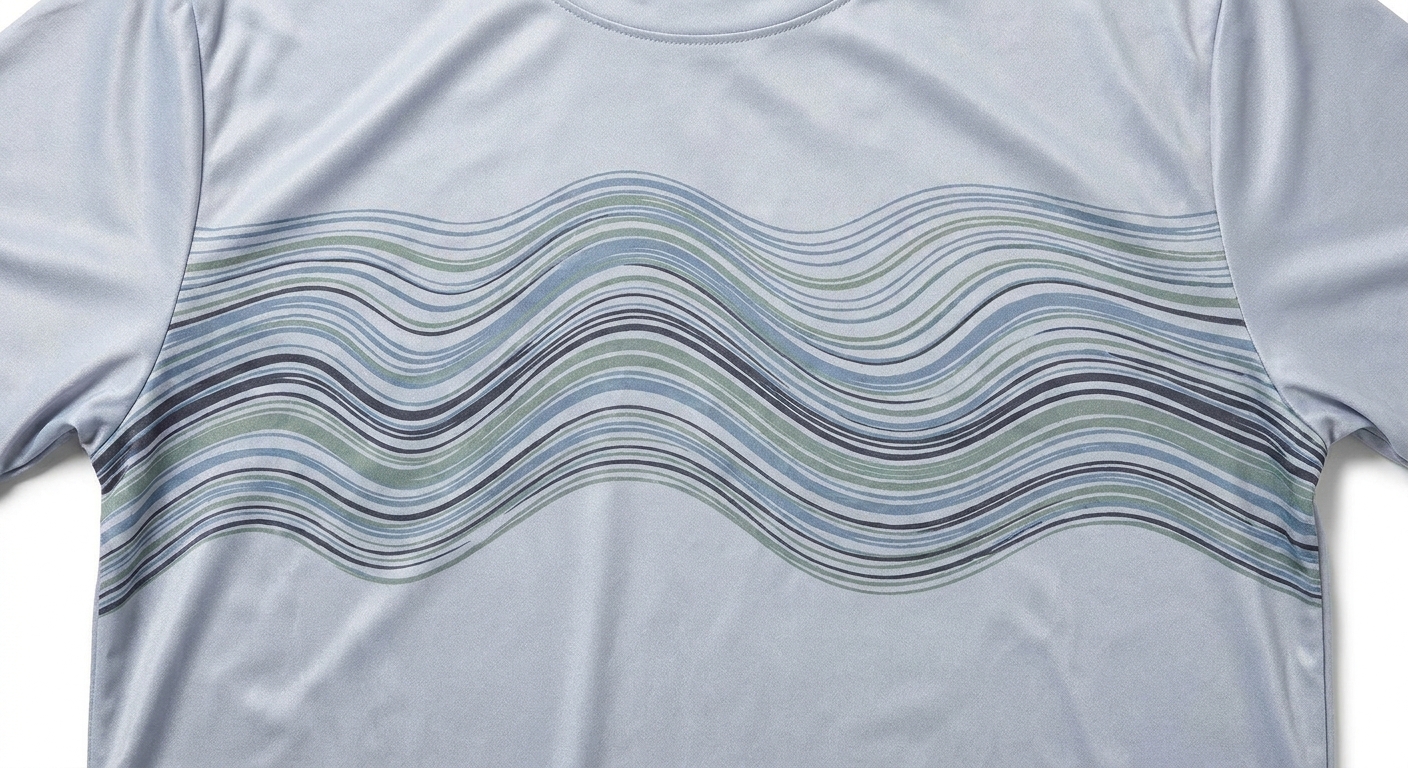
Because the dye is in the fibers, you do not get peeling. The “wear pattern” is more like the shirt itself aging over time. Common issues tend to be:
- Overall fading if the blank is low polyester, not truly compatible, or the transfer was under-pressed.
- Light areas or speckles if there was moisture, lint, or a press line issue during application.
- Heat damage to the shirt if it cannot handle the pressing temperature, which can look like scorch marks or shiny patches.
Once a good Infusible Ink transfer is infused properly, normal laundering is usually not a threat to the design itself.
HTV in the wash
HTV can absolutely survive regular laundry, but washing is where application mistakes show up fast. Common HTV problems include:
- Edge lifting from not enough heat, pressure, or press time.
- Peeling in small details where tiny points and thin lines do not have much surface area to grip.
- Cracking when vinyl is too stiff for the fabric stretch or when thick layered vinyl flexes repeatedly.
- Dullness over time from friction and abrasion, especially on frequently worn work shirts.
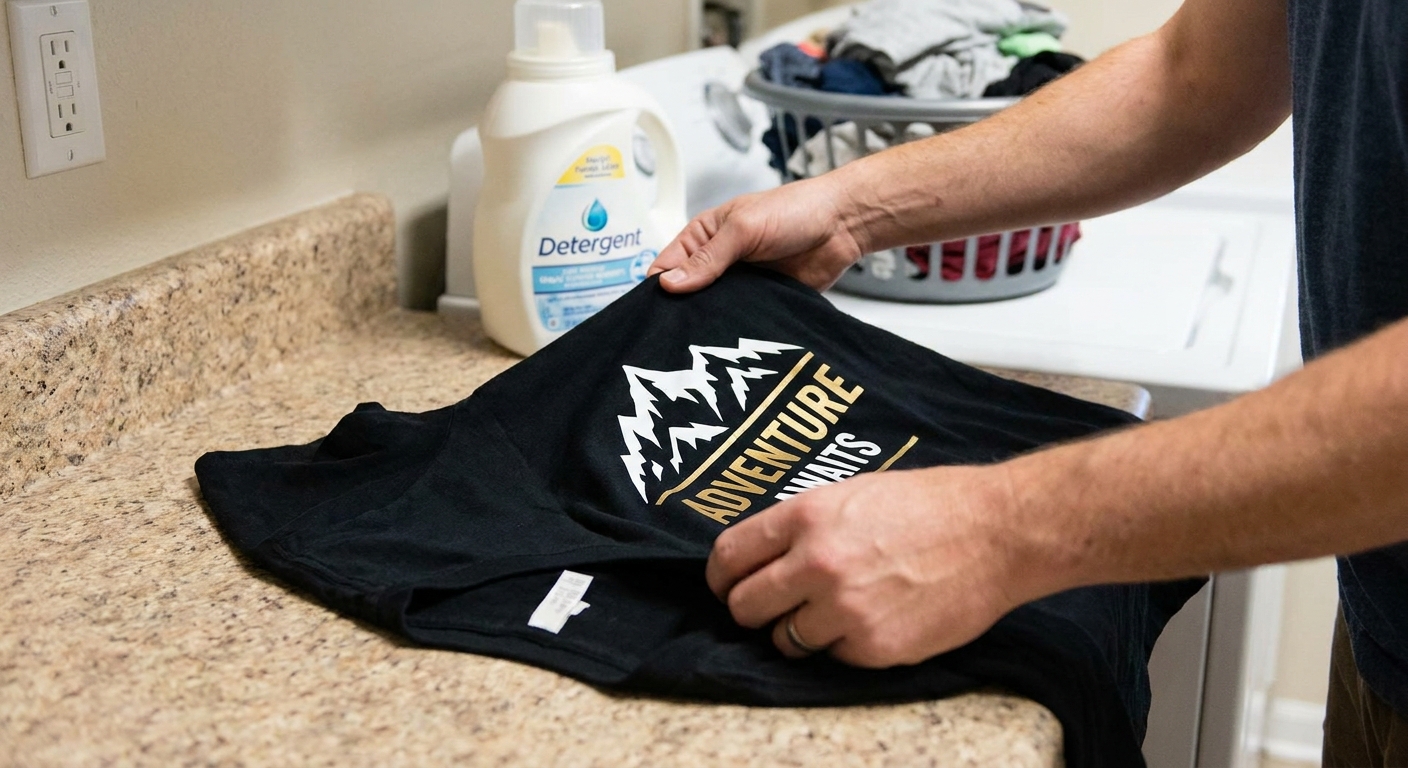
My durability tip: no matter which method you choose, go easy on fabric softener. It can leave residue over time, and it can interfere with moisture-wicking finishes on performance fabrics. It is usually not the single cause of HTV failure, but it can be one more factor working against you.
Stretch and movement
Infusible Ink and stretch
Infusible Ink moves with the fabric because it is part of the fibers. That makes it great for areas that flex a lot. The main catch is that on very stretchy knits, the design can look slightly less crisp or more “grainy” when stretched hard. It typically does not crack, it just visually shifts with the fabric.
HTV and stretch
HTV varies wildly here. A flexible, thin HTV can stretch nicely. A thicker vinyl or stacked layers may show stress lines, especially on fitted shirts. If you are decorating a shirt that will be worn snug or by someone super active, choose a stretch-friendly HTV and keep designs less full-coverage in high-movement areas.
Layering and design freedom
Infusible Ink: limited layering
Infusible Ink is amazing for bold, clean, flat-color graphics and designs where you want zero hand feel. But it is not the method I reach for when I want:
- White elements on a colored shirt
- Lots of stacked layers
- Chunky special effects like puff or heavy glitter
- High contrast on dark garments
Infusible Ink can layer in some situations, but in practice it is far less forgiving than HTV for complex builds.
HTV: made for specialty looks
HTV is the practical choice when you want multi-color designs, specialty finishes, and the ability to build a look. If your goal is a left-chest logo with a pop of metallic and an outline that reads clearly from across the gym, HTV is usually the simplest route.

Tools and settings
Press vs iron
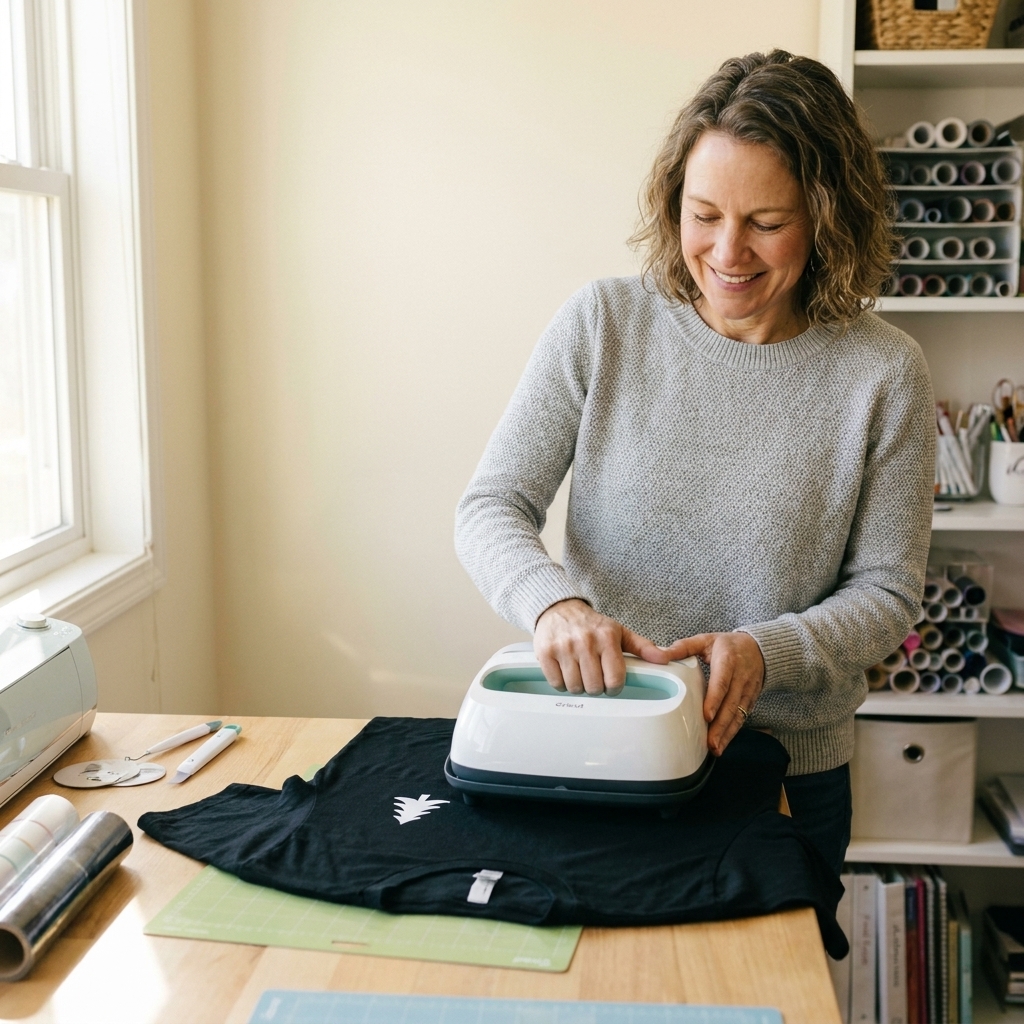
This is one of those unglamorous details that affects durability more than people want to admit. A heat press (or a Cricut EasyPress used carefully) gives you steadier heat and, more importantly, even pressure. A household iron can work in a pinch, but it is notorious for inconsistent pressure, steam and moisture issues, and edges that do not fully bond. If your HTV keeps lifting at corners, the tool is often part of the story.
Time and temperature basics
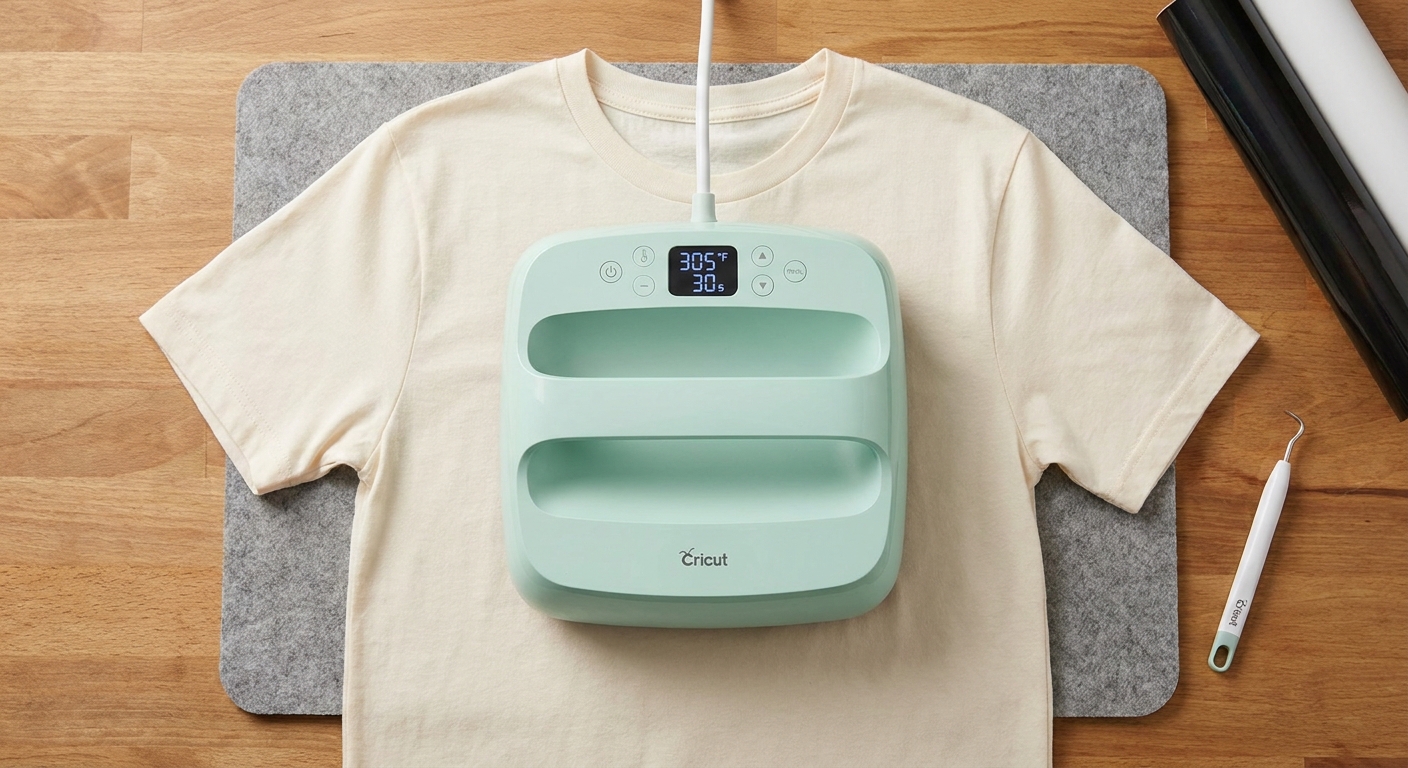
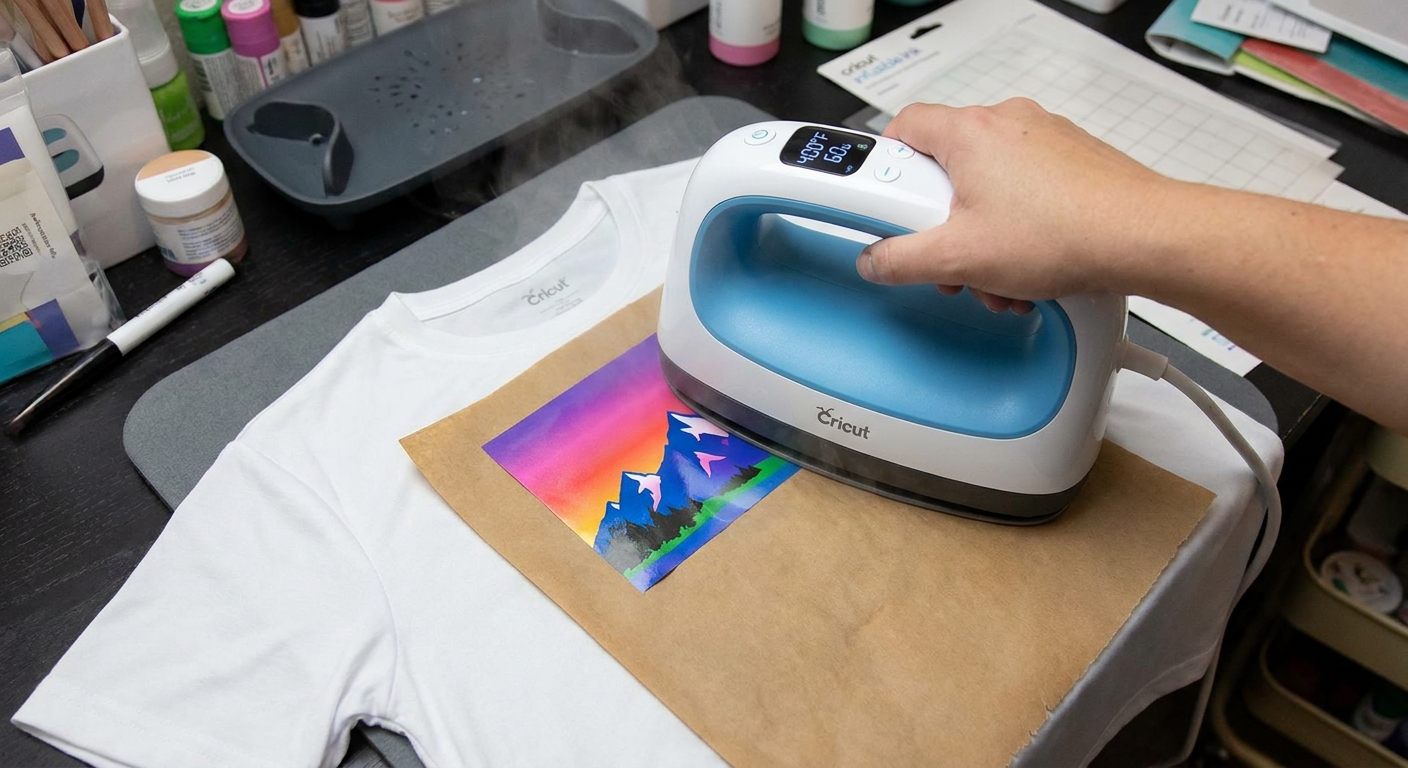
Follow the settings for your specific vinyl and blank first. Brands vary. As a general ballpark, Infusible Ink transfers are commonly pressed at high heat (often in the 385 to 400°F range) with firm, even pressure, while many HTV products press a bit lower. The fastest way to a long-lasting shirt is using the manufacturer’s chart for your exact materials.
Which one lasts longer for your project?
Choose Infusible Ink if:
- You want the most durable, no-peel finish and a design that feels like part of the shirt.
- You are happy using a light-colored blank.
- Your shirt is high polyester (or designed for infusion).
- Your design is mostly flat color, clean shapes, or text that does not require opacity on dark fabric.
Choose HTV if:
- You need a dark shirt or you love 100% cotton tees.
- You want layering, specialty finishes, or lots of color control.
- You are applying designs to many different garment types and blends.
- You want the ability to repair or replace a design later (HTV can be removed and redone with some effort, Infusible Ink is permanent once infused).
Durability checklist
For Infusible Ink
- Use a truly compatible blank. High-poly shirts produce the strongest, most vibrant infusion.
- Remove lint and moisture. Lint roll thoroughly and pre-press to drive out moisture.
- Hold steady pressure and correct heat. Uneven heat is the enemy of consistent color.
- Let it cool before handling. Shifting hot paper can cause ghosting or blurs.
For HTV
- Match HTV type to fabric. Stretch HTV for stretchy garments, standard HTV for basic tees.
- Press with firm, even pressure. Many “my vinyl peeled” stories are really “my press was too light or uneven.”
- Respect warm peel vs cool peel. Peel timing matters more than most beginners realize.
- Repress edges. After peeling the carrier, cover and give a quick finishing press to help seal edges.
- Wait before washing. Give the adhesive time to fully set (a day or two is a safe habit).
FAQ
Does Infusible Ink crack?
On a compatible polyester blank, cracking is very uncommon because there is no film sitting on top of the fabric. If you see “crack-like” wear, it is usually the shirt fabric breaking down, not the design layer splitting.
Does HTV always peel eventually?
No. Well-applied HTV can last a long time. Peeling is most likely when the press was under-heated, pressure was uneven, the peel timing was wrong, or the design has lots of tiny points and thin lines.
Which is better for kid shirts that get washed constantly?
If you are okay with light, high-poly blanks, Infusible Ink is fantastic for high-wash items because it will not peel. If you need cotton, darker colors, or a more playful layered look, HTV is totally fine, just keep designs flexible and avoid super tiny details that can catch and lift.
Which looks more professional?
Infusible Ink often wins on that smooth, store-bought feel. HTV can look equally professional when it is pressed cleanly and the design suits vinyl, especially logos, names, and bold graphics.
Can you remove HTV?
Yes, but it is not always pretty. Vinyl remover products and careful reheating can help, but you may still get adhesive residue, fabric scorching, or a faint “ghost” of the old design, especially on lighter shirts.
My Midwest craft-room verdict
If your goal is maximum longevity with a zero-feel finish, Infusible Ink is hard to beat, but only when you are willing to choose the right shirt: light color, high polyester, and compatible with infusion.
If you want the most practical, flexible method for real-world wardrobes, gifts, team shirts, and that one last-minute event tee you promised you could do, HTV is still my everyday hero. It may not be forever, but with good pressing habits, it will stick around for a long, long time.